


search
date/time

Sun, 9:00PM
light rain
5.3°C
W 17mph
light rain
5.3°C
W 17mph
 | Sunrise | 6:26AM |
| Sunset | 6:13PM |  |

Andrew Palmer
Group Editor
P.ublished 7th March 2026
arts
Classical Music Sonority Jan Liebermann — Organ
A wunderkind arrives on disc — and the wait has been worth it.
Hollins Concert Overture No 3 in F minor; Marcel Dupré Trois Préludes et Fugues, Op 36 - Prélude et Fugue en mi mineur, Op 36, No 1; Prélude et Fugue en la bémol majeur, Op 36, No 2; Prélude et Fugue en do majeur, Op 36, No 3; JS Bach Adagio (Air from Orchestral Suite in D, BWV 1068) arr Sigfrid Karg Elert; Petr Eben Moto Ostinato; Maurice Duruflé Suite pour orgue, Op 5.
Jan Liebermann plays Salisbury Cathedral organ
Regent Records REGCD601
UK release date: 20th March 2026
Preorder https://www.regent-records.co.uk/
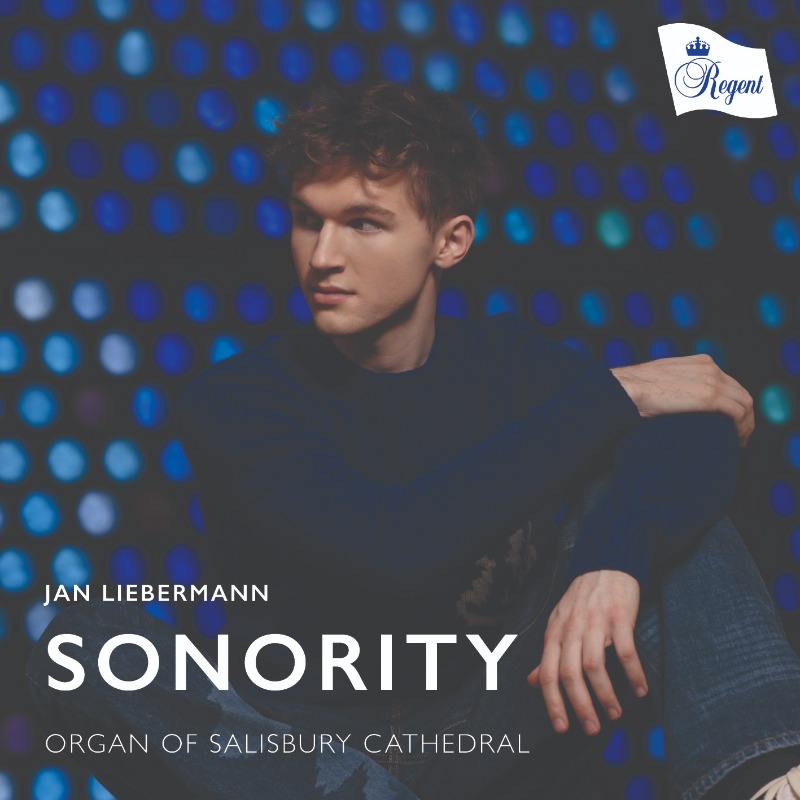
Liebermann began piano lessons at seven and took up the organ at twelve, studying at the University of Music in Mainz under Gerhard Gnann before continuing with Martin Sander at the University of Music and Performing Arts in Munich. Competition success has followed swiftly: first prize at the 2024 Northern Ireland International Organ Competition, and in 2025 he became the first organist ever to receive the prestigious Deutschlandfunk Promotional Award. Yet statistics and prizes tell only part of the story. The detail that most arrestingly distinguishes him from his peers is that he plays every piece from memory — a practice rare enough in the organ world to verge on the extraordinary, given that the performer must simultaneously retain not only notes and structure but also the entire sequence of registration changes.
I heard him play in York Minster last year, and his performance of Healey Willan's Introduction, Passacaglia, and Fugue was mesmerising—a work that would, as this disc confirms, suit the Salisbury instrument admirably. The Salisbury Cathedral organ is one I know with great affection: in 1989 I spent a week singing the services there with David Briggs as our accompanist, and the sounds that magnificent instrument produces have remained with me ever since. It was a pleasure, then, to renew acquaintance with those distinctive timbres through Regent's unfailingly fine engineering.
Liebermann opens with Hollins's Concert Overture in F minor, a work well suited to the Salisbury organ, and he seizes the listener's attention at once. The registrations are superbly judged: full organ, luminous strings, those imperious tubas, the depth of the pedal section, and the shimmer of the tremulant—all deployed with the instincts of a seasoned recitalist rather than a young man just out of his teenage years. The exquisite detail in the quieter passages is captured to perfection by Regent's recording team, with the balance impeccable throughout. The exciting crescendos arrive with all the inevitability of a well-constructed argument. And this is merely the opening number.
The programme carries a strong French influence. Liebermann presented Marcel Dupré's Préludes et Fugues, Op. 7 and Op. 36 in concert entirely from memory in 2025, and the disc captures that hard-won intimacy with the scores. The Salisbury diapasons and flutes are wonderfully deployed in performances that are delectably idiomatic, totally thrilling, and virtuosically spectacular. The rhythmic energy and pulse are electrifying; the technical command is flawless. The interpretive maturity is remarkable for someone so young, reminding us that one cannot teach such qualities — they must simply be there.
As a palate cleanser, we are offered Bach's Adagio—the Air from the Orchestral Suite in D, BWV 1068—alongside Karg-Elert and Petr Eben's Moto Ostinato from Sunday Music. The Bach is beautifully recorded, unhurried, and pellucid, while the Eben finds Liebermann rising to the demands of this high-octane work with the same thrilling command of the Salisbury sound palette that characterises the disc throughout.
The disc closes with Duruflé's Suite, Op. 5, and Liebermann makes its formidable technical challenges appear entirely natural. The sombre opening finds excellent pedal registration; the reeds are deployed with flair; the outstanding crescendo to the climax and the subsequent diminuendo are controlled with an assurance that belies his years. The Sicilienne conjures fabulous timbres and textures, but it is the Toccata that crowns the recital: an electrifying eight minutes of playing that is simply stunning. It is well known that Duruflé was never satisfied with his Toccata. One wonders whether, had he heard this recording, he might have thought differently.
A reviewer can, of course, overreach with superlatives. In this case they are entirely warranted. With a charismatic stage presence, impeccable technique, and interpretive maturity that would be notable in a player twice his age, Jan Liebermann is already recognised as one of the most brilliant of the younger generation of concert organists. If you have not yet heard him live, seek out a concert.
But do not wait that long: buy this disc now.