Allison Lee
Smallholding Correspondent
P.ublished 21st March 2026
lifestyle
Keeping Goats In Tip Top Condition
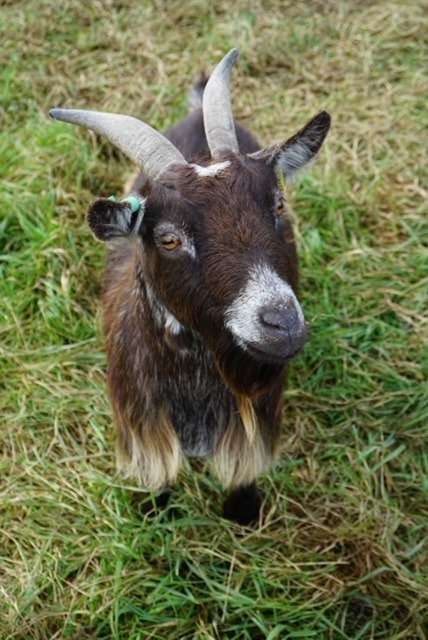
![Gurt the Goa]()
Gurt the Goa
ygmy goats make ideal pets and can be a joy to care for in smallholdings. They are intelligent, curious, engaging and good-natured. Their compact size makes them ideal for smallholdings, as they don’t require large areas to roam. What they do require, however, is a secure pen with shelter and company. They also require a good diet and someone to keep a close eye on their health and welfare.
Goats are sociable herd animals and should not be kept alone. It can be difficult to introduce new goats to an existing herd, so you need to think carefully from the very onset about how many goats you would like to keep, space-dependent, and plan on acquiring them from the same herd at the same time if at all possible.
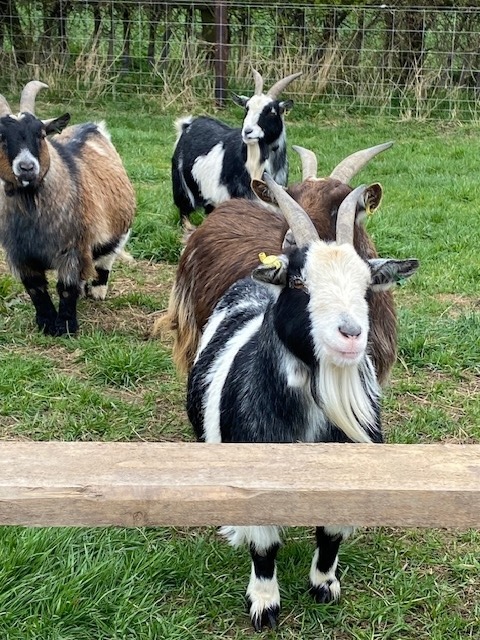
![Pygmy Goats]()
Pygmy Goats
Pygmy goats are quite striking, with their dense coats and beard-like features. They can sometimes look quite comical, and their inquisitive nature is captivating. Unlike most goat breeds, male and female pygmy goats have horns; males usually have slightly longer, curved horns than females. Although much smaller in size than a regular barn goat, pygmy goats can still grow to the size of a fully grown Labrador; therefore, you will need to be prepared when it comes to the enclosure and shelter you choose to house them in.
While pygmy goats can be highly entertaining, they also present unique challenges. Goats are naturally adept at climbing, jumping, and escaping whenever they are given the chance. Their evolutionary history in rocky, mountainous regions has made them extremely agile and expert climbers.
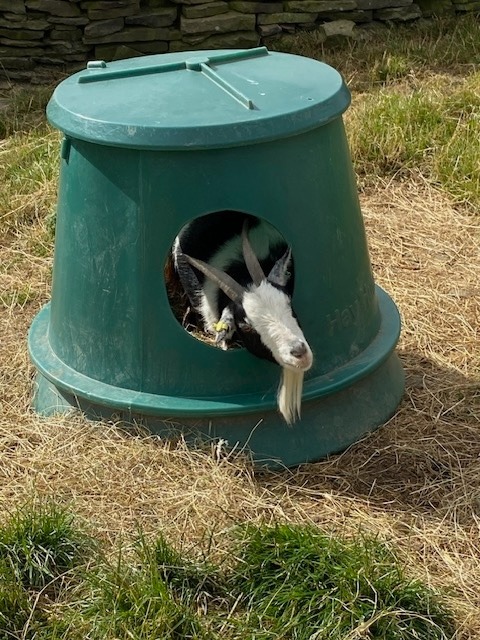
![Having Fun]()
Having Fun
Over time, goats tend to be more content in their enclosures, particularly when provided with regular meals and engaging stimulation. However, goats left in pens without adequate enrichment will become bored and seek stimulation elsewhere. Selecting appropriate fencing is crucial; fencing that allows goats to gain a foothold or stick their heads through should be avoided, as this can lead to attempts to escape or injury. With a well-designed outdoor paddock equipped for browsing, exercise, exploration, play, secure shelter, strong fencing and enrichment, pygmy goats can thrive and provide significant enjoyment.
In addition to the paddock, goats also need a draught-free, dry shelter with warm bedding and a suitable diet. Most feed merchants will be able to advise you on the best feed for goats. Additional fresh fruit and vegetables should be added to their diet to provide variety.
Like all animals, goats can succumb to illness from time to time; therefore, it is important to be aware of the more common diseases and what to look out for. Kids can be susceptible to Johne’s disease, which is caused by infected milk from their mother or the accidental consumption of faeces. Goats will lose weight and become lethargic, so advice from a vet is recommended. Enterotoxemia Type C affects the goat’s digestive tract and causes indigestion.
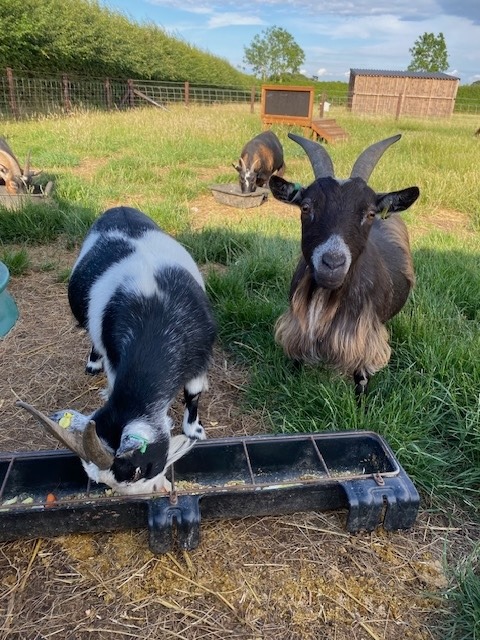
![Feed Time]()
Feed Time
Although my expertise is primarily with pygmy goats, which I keep personally and find exceptionally well suited as pets on smallholdings, it is worthwhile to consider the characteristics and benefits of other goat breeds. Angora goats, for instance, are primarily valued for their high-quality fleece (mohair) but can also provide milk and meat. Breeds such as the Anglo Nubian, British Saanen, LaMancha, and Golden Guernsey are renowned for their substantial milk yields, with each breed offering different milk characteristics in terms of quantity and richness. The British Toggenburg is notable for its smaller size, making it suitable for smallholdings, and is also favoured for its reliable milk production. Careful consideration of your priorities, such as whether you wish to focus on companionship, fleece, or milk, is essential before selecting the most appropriate goat breed for your needs.
There are a number of health considerations that should be taken into account to ensure that your goats are kept in tip-top condition.
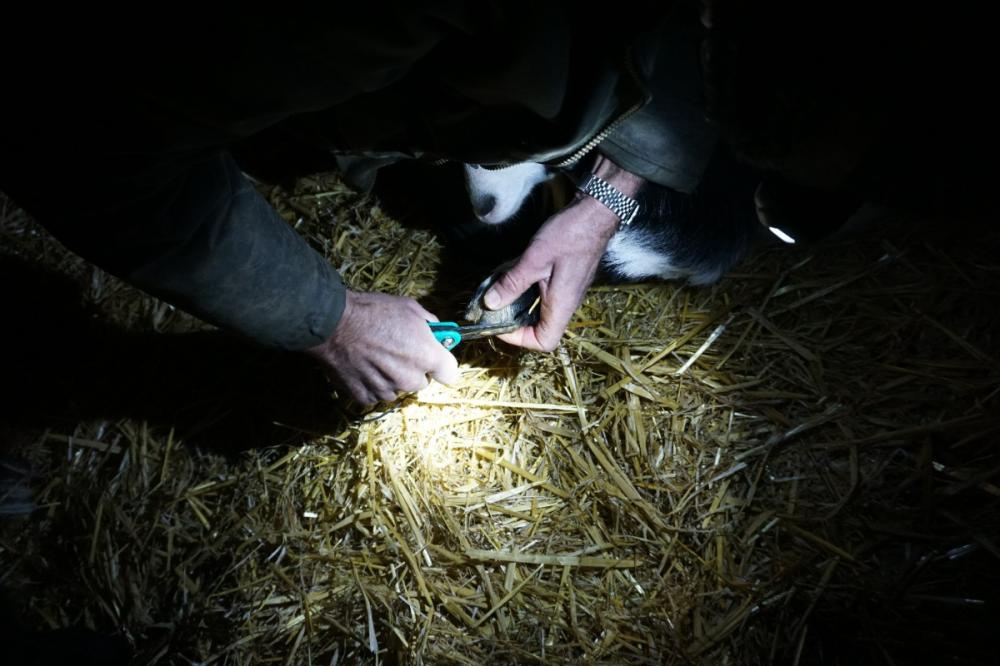
![Trimming the hoof]()
Trimming the hoof
Goats in the wild live in rough, mountainous terrain; therefore, their hooves would naturally wear down with the continual climbing. However, domestic goats usually live in grassy paddocks, so their hooves need to be checked regularly. Overgrown hooves are painful and can cause the goat's bad posture, possibly leading to arthritis in older animals. It is, therefore, imperative to check your goat’s feet and trim them periodically to prevent them from becoming overgrown. Foot rot is a common disease prevalent in goats. Foot rot takes hold in warm, moist parts of the foot, for example, between the toes and is more noticeable in the winter months when the fields are wet and muddy. Foot rot causes the goat to become lame and is very painful. Regular trimming of the hooves can be an effective way to prevent foot rot; however, if it does occur, cleaning the foot thoroughly and treating it with a vet-supplied antiseptic spray is the best cure.
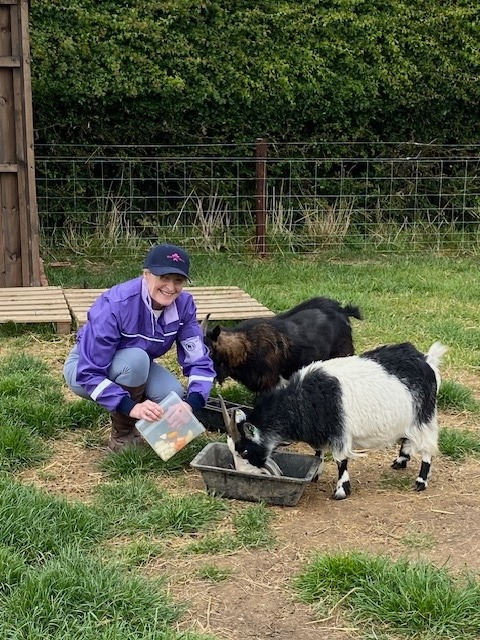
![Allison with her herd]()
Allison with her herd
Your veterinary surgeon can advise you on suitable vaccinations against disease. However, unless under prescription, there are currently no legally authorised vaccinations for goats in the UK.
Worming: Goats can contract several internal parasites, including tapeworms, roundworms, and liver flukes. Again, your veterinary surgeon can advise you about a suitable worming regime for your herd, depending on how and where your goats are kept.
External parasites and skin conditions: Goats are particularly prone to lice and mite infestations, so it is important to remain vigilant and check the skin and hair regularly for any signs that require immediate treatment. Louse powders can be purchased over the counter, and I have found them very effective when I have spotted lice on my goats. It is important to ensure that the herd is treated; if one goat has lice, chances are they all have.
You can find Allison on Instagram countryliving_writer or visit her website here