


search
date/time
Mon, 12:00AM
light rain
5.1°C
W 17mph
light rain
5.1°C
W 17mph
 | Sunrise | 6:26AM |
| Sunset | 6:13PM |  |

Allison Lee
Smallholding Correspondent
P.ublished 21st February 2026
lifestyle
Pet Plans - Are They Worth It?

Working Dogs
I have four dogs, three donkeys and two ponies, all on health plans. The plans, combined, are quite costly, and, like many animal owners faced with rising costs, I have started to question whether they are value for money.
While pet plans can be helpful, especially when it comes to budgeting, it is important to remember that they do not replace pet insurance for unexpected illnesses and injuries. Pet plans usually cover routine needs such as vaccinations, flea and worm treatments and, in the case of equines, faecal worm egg counts, and while they don’t cover emergency treatment, they often include a discount for treatments.
If you only have one pet and can afford it, the best option would probably be to combine a pet plan with pet insurance, as this will provide you with comprehensive protection for your pet.
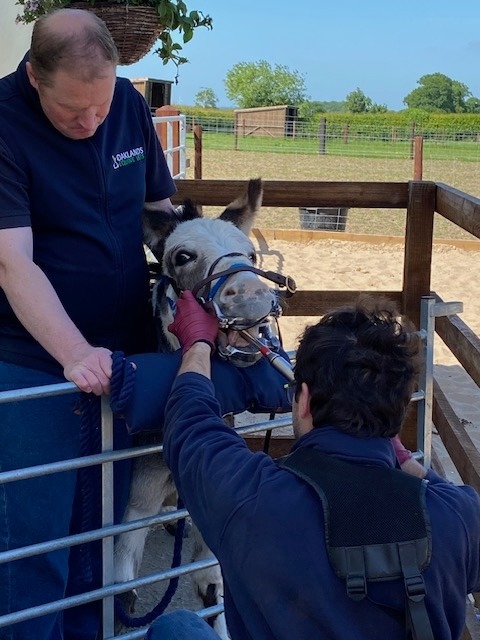
Jasper having his Teeth Rasped
Subsequently this meant paying for the plan but also purchasing a different wormer for two of my pets – a total waste of money! The same can be said of flea treatments; some are more effective than others, and because I live on a smallholding and my dogs run in the paddocks with sheep, goats and pigs, I need something that does the job well.
Helping with budgeting – as you are able to spread the cost of vaccines and routine treatment by paying in monthly installments it makes budgeting much easier, especially if you have numerous pets.
Encourages good care – you are less likely to miss a routine appointment that has already been paid for if you pay for a plan.
Ease – pet plans give you peace of mind knowing that essential routine treatments have been budgeted for.
Insurance is still necessary - pet plans do not cover unexpected accidents or serious illnesses and therefore insurance costs will still apply.
Utilisation - if you rarely visit the vet with your pet then the cost of the plan may not be feasible although all pets should be treated routinely with vaccinations, worming and flea treatment, sadly this is not always the case. If you have a very healthy pet, it may be worth paying for routine treatments as and when they are carried out rather than having a pet plan.
Many people say they ‘put money to one side every month’ rather than pay for a pet plan or insurance, but I wonder how effective this really is. I too have told myself I would be better off financially if I saved £100 a month in a separate account to use as and when my animals need it, but after decades of owning pets, I still haven’t done it!
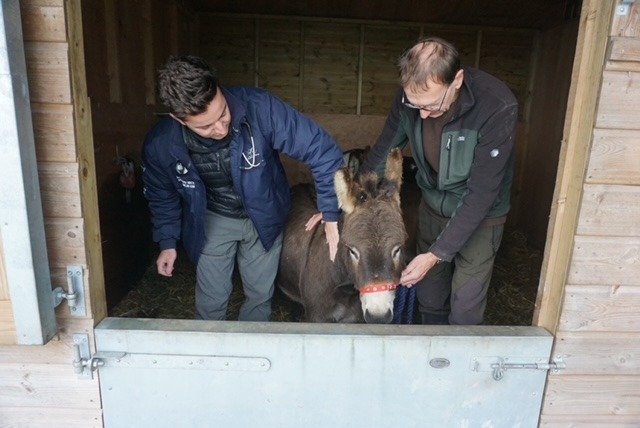
George Having His Annual Health Check
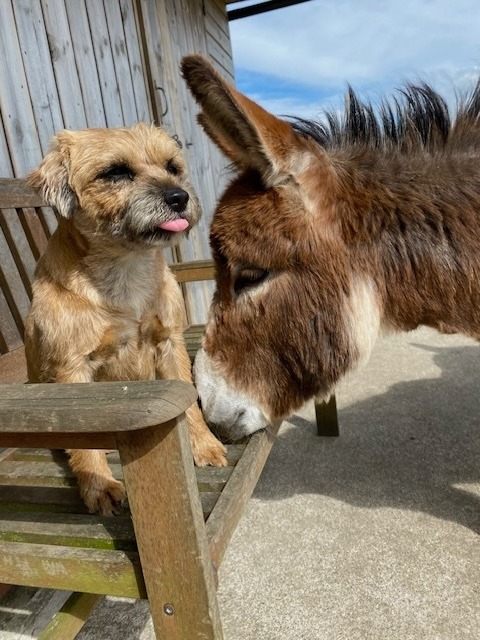
Basil with Flynn the Donkey
Despite the call-out charge, I still have my donkeys and ponies on a plan. The plan covers faecal worm egg counts (though the wormer is charged for separately), one routine dental inspection, annual flu and tetanus vaccinations and a couple of other things that I have never used, such as the autumn tapeworm saliva test – there is absolutely no way any of my ponies or donkeys would let me do this! The plan also includes a multi-horse discount and a small discount off veterinary treatment, including medication.