


search
date/time

Mon, 12:00AM
light rain
5.1°C
W 17mph
light rain
5.1°C
W 17mph
 | Sunrise | 6:26AM |
| Sunset | 6:13PM |  |

Allison Lee
Smallholding Correspondent
P.ublished 28th February 2026
lifestyle
Grooming Donkeys And Ponies
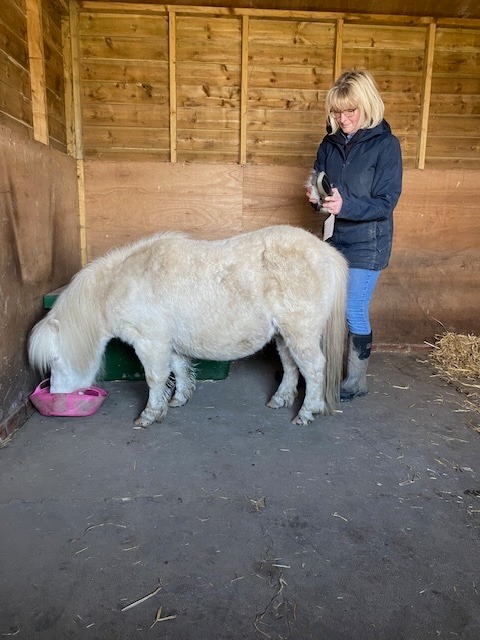
Removing Jo-Jo's Winter Coat
Most donkeys and ponies enjoy being groomed. It helps relax the animal and, of course, cleans its coat and skin. Grooming is an essential part of their daily care routine and, when done correctly, will help ensure their health, comfort and safety. Checking an animal over every day acts as a preventative measure, helping you spot any medical issues early. It also enables you to build trust with the animal.
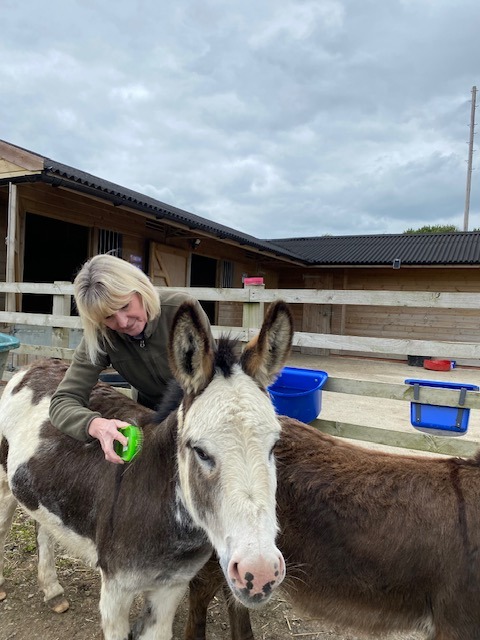
Grooming Jasper
The removal of dirt, mud and dust, which, when left to build up, can cause skin infections and fungal conditions. Brushing the coat of a pony or donkey helps to remove debris and stimulates the skin’s natural oil production in addition to promoting the animal's circulation.
Daily grooming provides an opportunity to check the animal for injuries such as scrapes or swelling, which can easily be missed by simply casting an eye over the pony or donkey. You should seek the advice of your vet if you have any concerns about your pony or donkey.
Grooming sessions should include hoof care. Picking out the hooves removes mud and stones that can build up over time and cause discomfort, bruising or, in some instances, infections such as thrush or abscesses.
In spring, ponies and donkeys will shed their winter coats. Grooming helps the process along and prevents the animal from becoming uncomfortable. My two ponies are miniature Shetlands, and they grow a thick, dense coat during the winter. In spring, they shed their hair in handfuls, and regular grooming using the right equipment helps prevent irritation whilst the shedding process takes place.
Ponies and donkeys will often groom each other, and therefore, when we take the time to mimic their natural responses, it strengthens their bond with us and serves as a relaxing, calming activity for them.
Ponies will inevitably require more intensive grooming than a donkey, as their coats, manes, and tails are longer and thicker. Donkeys have thinner hair and shorter manes and tails; however, their coats are not waterproof, so they are more susceptible to the cold.
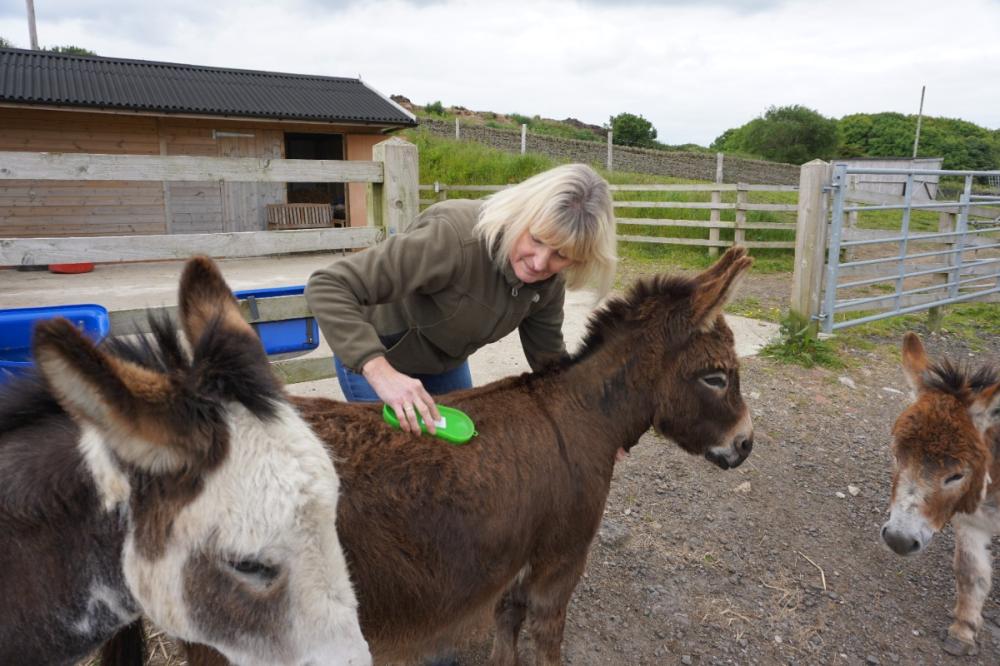
Grooming George, the miniature donkey
Dandy brush
Body brush
Hoof pick
Metal, rubber and plastic curry combs
Mane and tail comb
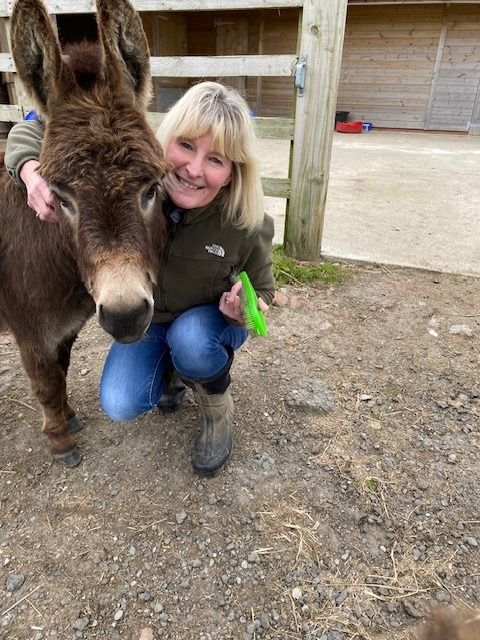
Bonding With George
In addition to regular grooming, ponies and donkeys should be seen by a farrier every 4-6 weeks. The feet of a donkey are very different to those of a pony, and it is therefore essential that the farrier you choose is confident and knowledgeable about both.