


search
date/time
Sat, 10:00PM
light rain
17.0°C
WSW 7mph
light rain
17.0°C
WSW 7mph
 | Sunrise | 3:43AM |
| Sunset | 8:46PM |  |

Ian Garner
Business Writer
P.ublished 9th May 2026
business
What Is It Like to Balance Two Jobs at the Same Time?
The Modern Side Hustle Experience

Image by Eric Lafontaine from Pixabay
Driven by financial pressures, personal ambition, and a desire to develop new skills, more individuals than ever are balancing two jobs at the same time. But behind the promise of extra income and autonomy lies a demanding reality that requires discipline, resilience, and careful self-management.
Side hustles have surged in popularity in recent years, fuelled by the growth of the gig economy, advances in digital technology, and rising living costs. Opportunities now span a wide range of fields, from freelance design and online tutoring to running e-commerce businesses or working for ride-sharing and delivery platforms.
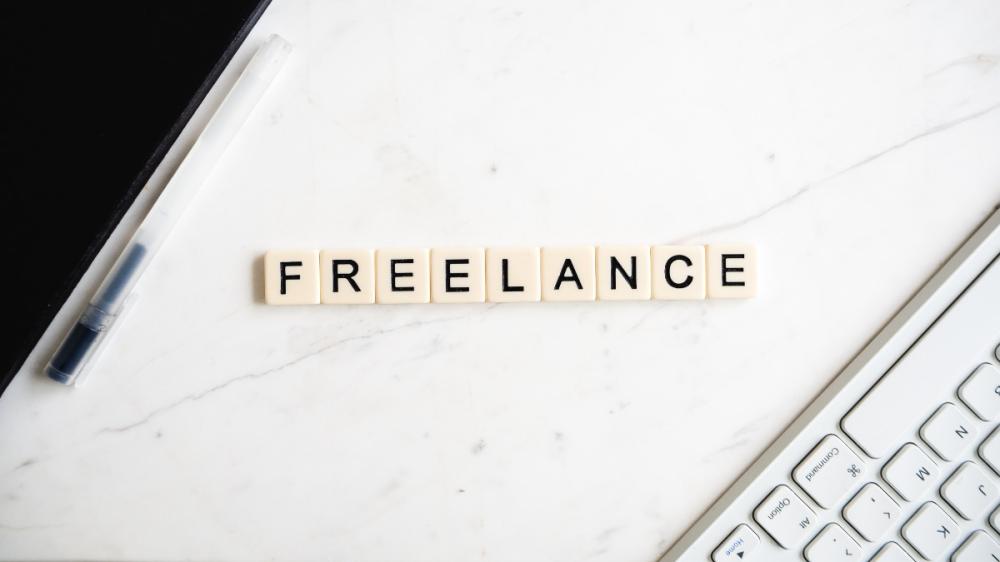
Image by Alltechbuzz_net from Pixabay
Managing dual roles demands a highly disciplined approach to time management. A typical day might involve finishing an office job at 5pm, then spending evenings working remotely, managing a small business, or completing gig-based work.
Constantly switching between responsibilities can feel energising, but it is often exhausting.
Success usually depends on meticulous planning and a willingness to make sacrifices. Social commitments may become less frequent, and free time can feel scarce. Many side hustlers rely heavily on digital tools, calendars, task managers, and productivity apps to stay organised and meet deadlines. Late nights, working weekends, or squeezing in tasks during breaks are common features of this lifestyle.
Despite the rewards, the challenges should not be underestimated. Fatigue is one of the most common issues, and without careful management, extended working hours can lead to burnout. Maintaining clear boundaries between jobs and between work and personal life is often difficult, especially when both roles demand immediate attention.
There is also the risk of underperformance. When focus and energy are stretched thin, mistakes can occur and quality may suffer. Some employers may view divided commitments unfavourably, making transparency and professionalism essential. Ensuring that one role does not compromise the other is crucial to long-term sustainability.
Yet for many, the benefits outweigh the pressures. Financial security is a major advantage, providing a buffer against redundancy or economic uncertainty. Working across different roles can also broaden skill sets, enhance adaptability, and improve employability. Exposure to new industries or responsibilities often opens unexpected career pathways.

Image by gabrielle_cc from Pixabay
Set clear goals: Understand what you want from each role and ensure your time is aligned accordingly.
Prioritise self-care: Rest, exercise, and social connection are essential to prevent burnout.
Communicate transparently: Where appropriate, manage expectations with employers or clients.
Stay organised: Use planners or digital tools to track tasks and deadlines.
Review regularly: Assess your workload and wellbeing and adjust if necessary.
Balancing two jobs is not easy, but for many it represents both a necessity and an opportunity. With the right approach, determination, and self-awareness, a side hustle can supplement income, support personal growth, and future-proof a career. The key lies in finding a balance that supports both ambition and wellbeing, ensuring that success does not come at the cost of health or happiness.

Ian Garner
Also by Ian Garner...
Meetings Vs Momentum: How Smart Organisations Get Work DoneBeyond Bullet Points: The Art Of Effective PresentationsWould Fewer Rules Be Better In The Workplace?Is Networking Key To Career Advancement?Bring Your Whole Self To Work: The Power Of Authenticity In The Modern Workplace