


search
date/time

Sat, 10:00AM
light rain
10.3°C
NNE 6mph
light rain
10.3°C
NNE 6mph
 | Sunrise | 4:17AM |
| Sunset | 7:57PM |  |

Ian Garner
Business Writer
P.ublished 14th March 2026
business
Intelligence Meets Emotion, The True Formula For Success

Image by Tumisu from Pixabay
It takes something more than intelligence to act intelligently.
Yet, experience teaches a different lesson. Knowledge and intellect, while valuable, are not always enough to navigate the complexities of life. Challenges arise in leading teams, resolving disputes, and maintaining composure in difficult circumstances. Clearly, success demands more than a sharp mind; it requires compassion and resilience.
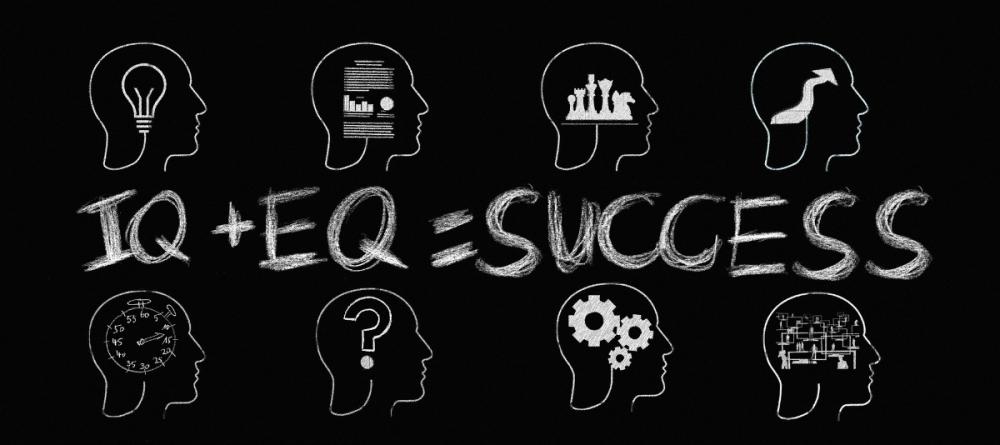
Image by Gerd Altmann from Pixabay
When intelligence and emotion work together, our decisions become better. We contemplate not only problems but also the people involved. This marks the transition from simple cleverness to genuine wisdom.
Emotional intelligence is not about excessive sentimentality or weakness. It is established in self-awareness, understanding our internal state and recognising its influence on our actions.
It is also rooted in empathy, noticing and caring about others’ feelings, even when they are not spoken aloud.
EQ reveals itself in everyday moments, remaining calm during tense meetings, offering a listening ear, or acknowledging our errors. These small acts foster authentic connections with those around us.
Many of the people who inspire us – mentors, leaders, and friends – share a common trait. Their decisions are not only smart but also considerate. They make others feel valued and understood, demonstrating EQ in action.
“Emotional intelligence allows us to respond instead of react.”
In today’s environment, emotional intelligence stands out as a key skill, especially for those in leadership roles. Effective leadership is not defined by issuing commands but by empowering and encouraging others to reach their potential.
Leaders with high EQ draw out the best in those around them. They lead with empathy and authenticity, prioritising listening as well as speaking. Their awareness creates safe spaces for growth, learning, and achievement.
Emotional intelligence matters for everyone, regardless of position. Team members, parents, and friends all benefit from greater self-awareness and empathy. EQ, or emotional intelligence, shapes our interactions and self-perception, strengthening relationships and personal well-being. Importantly, emotional intelligence is not a natural characteristic; it can be cultivated and enhanced over time.
Self-awareness, observing our emotions and understanding their origins.
Empathy, actively seeking to appreciate others’ perspectives.
Reflection, pausing to learn from experiences rather than reacting impulsively, helps EQ thrive.
Simple habits build emotional intelligence, for instance, taking a moment before responding, practising gratitude, and listening attentively. You don’t need to be perfect; presence and intention are what matter.
Photo by KATRIN BOLOVTSOVA: https://www.pexels.com/photo/arranged-paper-clips-around-an-eraser-6192337/
While IQ may help you ascend professionally, EQ enables you to uplift others along the way. True success is not found in titles or accolades, but in positive impact and meaningful relationships. Ultimately, real achievement is measured by connection, wise leadership, and kindness.
Donald Calne the Canadian neurologist said:
“The essential difference between emotion and reason is that emotion leads to action while reason leads to conclusions.”
When intelligence meets emotion, we do more than succeed, we inspire.

Also by Ian Garner...
What Is It Like to Balance Two Jobs at the Same Time?Bring Your Whole Self To Work: The Power Of Authenticity In The Modern WorkplaceHow To Make A Strong Case For A Promotion Or Pay RiseMind Your Manners, A British Traveller’s Guide To Etiquette AbroadWhy Fractional Roles Are Reshaping Modern Business Leadership