


search
date/time

Sat, 4:00PM
light rain
10.9°C
NE 14mph
light rain
10.9°C
NE 14mph
 | Sunrise | 4:17AM |
| Sunset | 7:57PM |  |

Artis-Ann
Features Writer
P.ublished 28th February 2026
arts
Toxic Gossip: The Heretic’s Daughter By Kathleen Kent
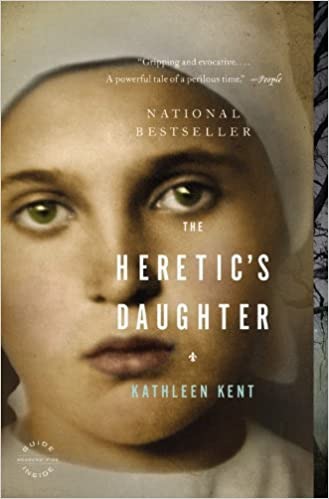
The Witches of Salem by Stacy Schiff and Arthur Miller’s The Crucible have previously recorded the blot on the historical landscape and this latest treatment of the subject is thoughtful and convincing.
The Prologue is in the form of a letter which explains what is to follow, namely, the events leading up to the accusation made that Martha Carrier is a witch, the blatant unfairness of her trial and the punishment which follows when she is found guilty, all told through the eyes of Martha’s daughter, Sarah. The events in Salem at the time, were horrific and have been described as ‘twisted fairy tales’ – of the cruellest kind.
The young Rev. Barnard particularly has little time or sympathy for Martha, brooding as he does over the presence in the pulpit, of the older and wiser Rev. Dane who refuses to step down.
Martha is strict with her daughter; theirs is not a cosy relationship. When Sarah is sent away to stay with her aunt for her own safety, she sees a gentler family life, albeit filtered through a rosy glow which is not wholly honest. She grows close to her cousin Margaret, only to be forced back to her own home when the time is right. Martha has little time for her daughter and Sarah’s resentment grows; she broods as she toils in the house and around the farm. Martha, meanwhile, makes enemies outside of the home too, with her harsh tongue and willingness to stand up for herself. The young Rev. Barnard particularly has little time or sympathy for Martha, brooding as he does over the presence in the pulpit, of the older and wiser Rev. Dane who refuses to step down.
It's a slow burn and there is a lot to take on board about the family background, especially in the first half of the novel - I wanted to give up early on and am so glad I didn’t.
It seems rebellious women have always been punished and, in this novel, Martha is punished for being too outspoken, for standing up for herself too forcefully, despite being driven by her innocence. Punishment is harsh and clearly described by Kent, not just the manner of death but the prison conditions and methods of torture. The savage treatment of victims - men, women and children - is driven by the malevolent, Puritan preachers whose piety leads them to cruel acts of inhumanity. The dangers of ignorance and the wickedness of corrupt men in power who abuse their position, is at the core. This is seventeenth century New England when life was hard and people needed to find someone or something to blame for disease, the failure of crops and all of the other problems experienced by the settlers. The naming of witches (falsely or not) became a means of saving your own neck from the hangman’s noose.
The novel is a compelling tale which centres on the strength of the family bond and a mother’s love ...
Kent brings the characters to life once more, reliving the terror felt by the victims of the unscrupulous devils who are at the heart of the drama, and the sense of dread begins on page one. The ending is already written, we know what happens, but Kent emphasises human strength and the power of human endurance. She focuses more on family relationships and the dynamics between the players rather than the arguments in court and the processes of law. Loyalty to family is uppermost and Sarah comes to understand the love her parents had for her, a love which empowered their actions and gave them all strength.
It's a slow burn and there is a lot to take on board about the family background, especially in the first half of the novel - I wanted to give up early on and am so glad I didn’t. The pace picks up in the second half and it’s well worth the effort. The novel is a compelling tale which centres on the strength of the family bond and a mother’s love which compensates for the sense of despair that cannot, at times, be avoided. The writing is accomplished and, given its foundation in fact, the tale is both riveting and powerful.
Also by Artis-Ann ...
'Yes, M’lady': A Thorn in the Rose By Samantha Lee HoweThe Danger Of Secrets: A Dark Death By Alice FitzpatrickDeath Is Not Always The End: Accidents Will Happen By Andrew J. FieldA Dish Best Served Cold: An Eye For An Eye By Jeffrey ArcherChoices Are Never Easy: Birnam Wood By Eleanor Catton