


search
date/time

Mon, 1:00AM
broken clouds
12.0°C
SW 1mph
broken clouds
12.0°C
SW 1mph
 | Sunrise | 6:07AM |
| Sunset | 5:56PM |  |

Ian Garner
Business Writer
P.ublished 1st August 2026
business
The Changing Face Of Remote Working, Insights From British Businesses
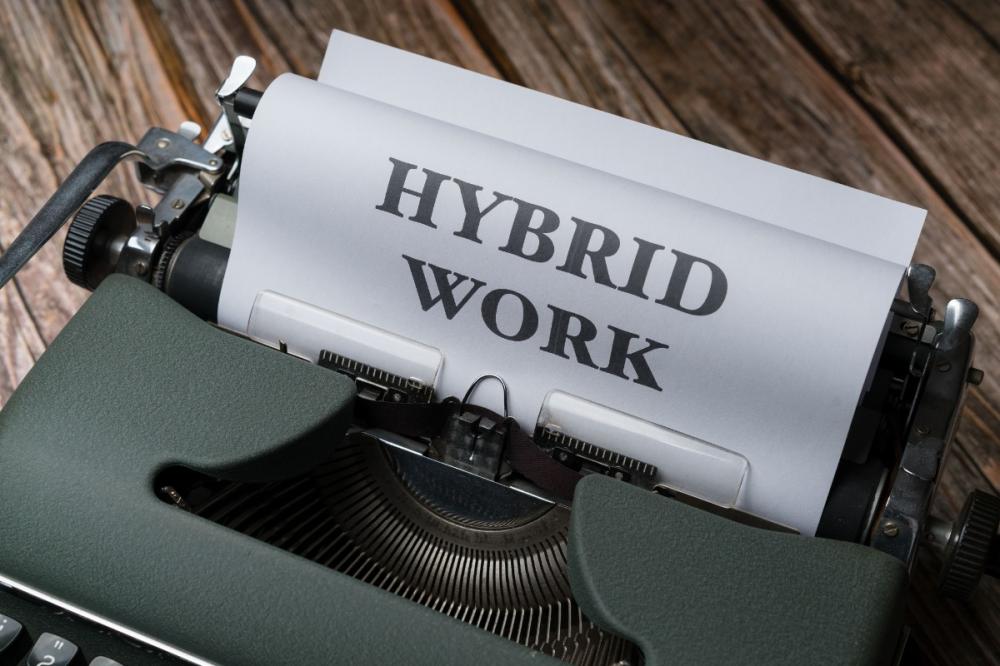
Image by Markus Winkler from Pixabay
One of the biggest changes is the rise of hybrid working. For many organisations, splitting time between the office and home has become the new normal. Employees now have the flexibility to work remotely for part of the week, coming into the office for team meetings, brainstorming sessions, or strategic planning. This approach strikes a balance between the need for collaboration and the desire for autonomy. What’s clear is that flexibility has moved from being a perk to an expectation. British employees increasingly want the freedom to choose how, when and where they work.
Image by Firmbee from Pixabay
Moving to remote arrangements raised concerns about losing that sense of connection, with leaders worried about team cohesion. In response, many businesses have invested in digital tools and made deliberate efforts to foster connection. Virtual meetings, online social events, and regular check-ins are now commonplace.
Interestingly, some organisations have found that digital platforms encourage more inclusive communication, giving quieter team members a chance to contribute.
Productivity has been a hot topic throughout this transition. Early on, many questioned whether employees could stay focused without the structure of an office. But as it turns out, plenty of British businesses have seen productivity hold steady or even improve.
The end of the daily commute has given employees more time for work and personal activities, and being able to tailor their workspace to their own preferences has boosted concentration and job satisfaction for many.
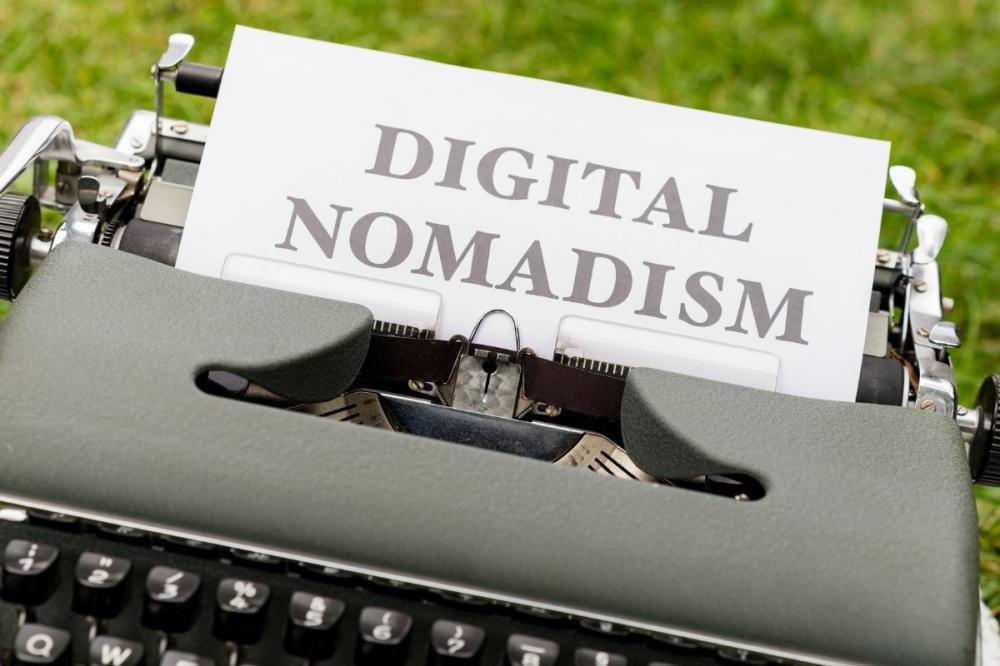
Image by Markus Winkler from Pixabay
Employee wellbeing is another core focus in the remote working landscape. For many, the ability to work from home has made a real difference to their work–life balance.
Parents, carers, and those living outside major cities have particularly benefited from reduced commuting and greater control over their schedules. Businesses have also realised that recruiting from a wider geographical pool supports diversity, as candidates are no longer limited by location.
However, remote working isn’t without its challenges. Some employees have experienced feelings of isolation or struggled to maintain boundaries between work and home life. Recognising this, British businesses are increasingly prioritising mental health. Initiatives such as regular wellbeing check-ins, virtual team-building, and clearer guidelines around working hours are helping to address these issues.
Looking to the future, it’s unlikely we’ll see a return to the traditional five-day office week. Most organisations now see hybrid working as a long-term solution, combining the independence of remote work with the social and collaborative benefits of shared spaces. The flexibility to adapt to changing needs is a competitive advantage, not just a temporary measure.
In summary, remote working transforms business culture.

Also by Ian Garner...
Standing Your Ground, Handling A Workplace Bully With ConfidenceHubris, The Subtle Risk In Entrepreneurial AchievementWhy Resistance To New Technology Is Nothing New And What It Means For Your BusinessThe New Reality Of Work, Knowing When It’s Time To Move OnBreaking The Bias Barrier: How Business Leaders Can Recognise And Tackle Unconscious PrejudiceThe shortened address for this article is: newspub.uk/220bi