


search
date/time

Sun, 1:00AM
scattered clouds
12.1°C
S 7mph
scattered clouds
12.1°C
S 7mph
 | Sunrise | 6:03AM |
| Sunset | 6:01PM |  |

Ian Garner
Business Writer
P.ublished 26th September 2026
business
Standing Your Ground, Handling A Workplace Bully With Confidence
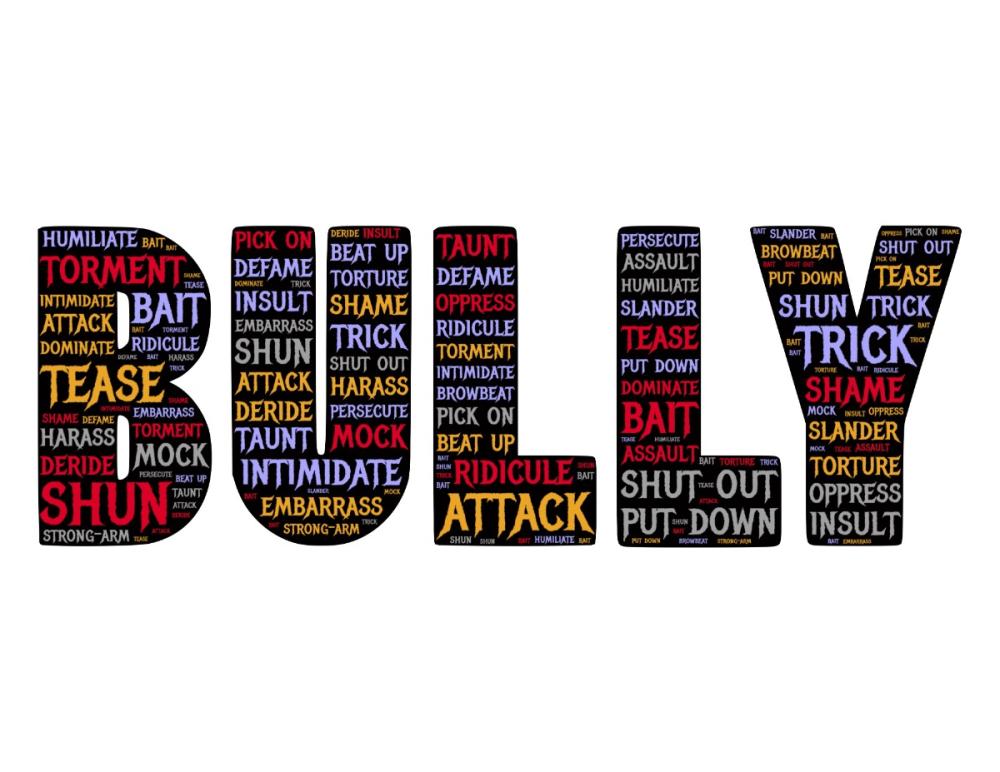
Image by John Hain from Pixabay
If you’ve ever left a meeting replaying someone’s tone or questioning your performance after repeated criticism, you’ll know how unsettling it can be. The challenge is not only dealing with the behaviour but doing so in a way that protects both your professionalism and your wellbeing.
The first step is recognising what’s actually happening. Not every disagreement qualifies as bullying; workplaces naturally involve pressure and differing opinions. However, when behaviour becomes consistent, targeted, and harmful, it crosses a line. This might include public criticism, being deliberately left out of conversations, or having your work unfairly discredited.
Once that pattern is clear, the instinct may be to react immediately. In practice, one of the most effective responses is also one of the most measured, keeping a record. Documenting dates, comments, and situations helps turn something emotional into something concrete. If the issue escalates, that record becomes a valuable foundation.

Image by Alexa from Pixabay
That said, not every situation can be resolved one-to-one. If the behaviour continues, or if the power dynamic makes direct discussion difficult, it’s important to involve others. Most organisations have formal procedures for handling bullying, typically through line management or Human Resources. While some employees hesitate to use these channels, they exist to address exactly these situations.
Support from colleagues can also make a significant difference. Bullying often creates a sense of isolation, making it easy to doubt your own experience. Speaking with trusted co-workers can provide perspective and reassurance. In some cases, others may have witnessed similar behaviour, strengthening your understanding of the situation.
It is also worth being aware of your rights. In the UK, bullying can overlap with harassment, particularly if it relates to protected characteristics such as race, gender, or disability. Employers have a duty of care to provide a safe working environment, and external organisations such as ACAS can offer guidance if internal processes fall short.
Throughout this process, maintaining your wellbeing is essential. Ongoing exposure to negative behaviour can take a toll on both mental and physical health. Setting boundaries outside of work, taking proper breaks, and seeking support where needed are all important steps in maintaining resilience.
There may also come a point where you need to assess whether the situation is likely to improve. Not all organisations respond effectively to bullying, and in some cases, the culture may allow it to persist. If your wellbeing continues to be affected despite your efforts, considering a move elsewhere can be a practical and necessary decision.
Dealing with a workplace bully is rarely straightforward. It requires a calm, structured approach, one that prioritises clarity, professionalism, and self-respect. By documenting behaviour, communicating where possible, and using formal channels when needed, you can manage the situation with confidence.
While you cannot control how others behave, you can control how you respond. In a professional environment, that steady, considered response is often your strongest asset.
We need to stand up to bullies wherever they are.

Ian Garner
Also by Ian Garner...
Hubris, The Subtle Risk In Entrepreneurial AchievementWhy Resistance To New Technology Is Nothing New And What It Means For Your BusinessThe New Reality Of Work, Knowing When It’s Time To Move OnThe Changing Face Of Remote Working, Insights From British BusinessesBreaking The Bias Barrier: How Business Leaders Can Recognise And Tackle Unconscious PrejudiceThe shortened address for this article is: newspub.uk/220zu