


search
date/time

Wed, 1:00AM
light rain
15.3°C
SSW 3mph
light rain
15.3°C
SSW 3mph
 | Sunrise | 5:58AM |
| Sunset | 6:08PM |  |

Andy Harris
Motoring and Property Editor
@ytimesmotoring
P.ublished 7th May 2026
cars
Warrantywise Publishes Its 2026 Reliability Index
.jpg)
The findings show that large SUVs and executive saloons are the vehicle categories most heavily represented among the lowest-scoring models. The lowest score in this year’s data was recorded by the Land Rover Discovery (17.2/100), compared with the highest-ranking car in this year’s list, the Toyota Yaris (89.2/100).
This comes at a time when the UK car park continues to expand and age. In 2025, the total number of cars on UK roads climbed to 36,676,185 – an increase of more than half a million vehicles1 – marking the fourth consecutive year of growth and the second largest volume increase since 2016. As more vehicles – particularly used SUVs and premium models – enter the car park and transition into later-life ownership, repair request data is becoming an increasingly valuable tool for used car retailers managing stock, pricing and customer expectations.
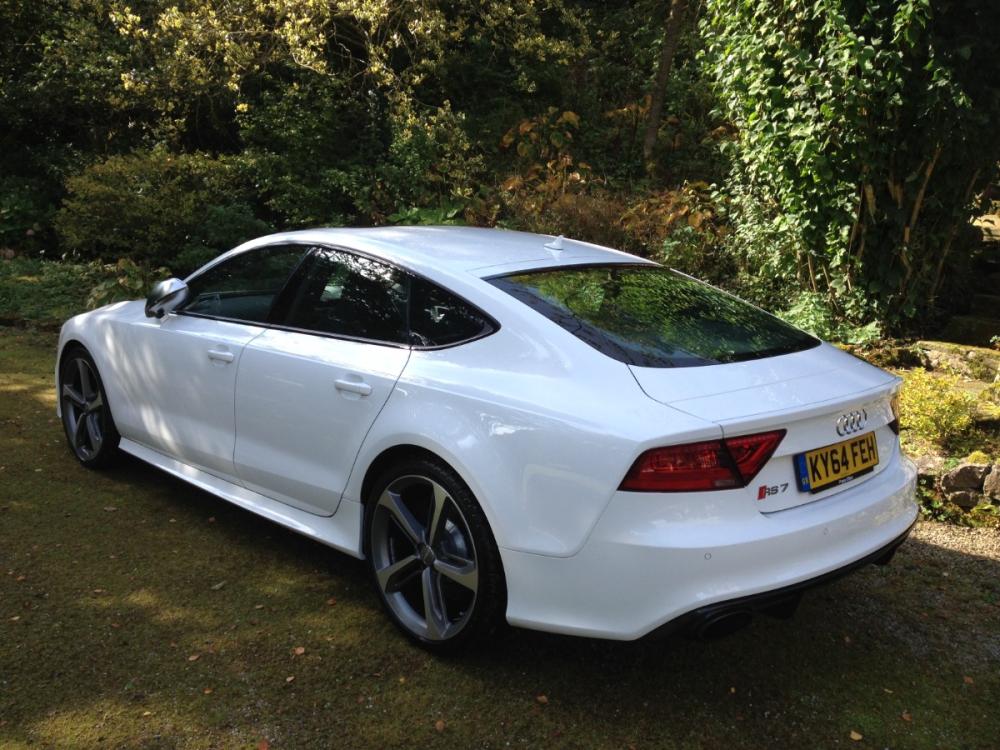
Across the featured dataset, all 10 vehicles sit within premium segments and typically command higher initial purchase prices. The average repair request across these models commonly exceeds £2,000, with the most expensive repair request being over £40,000. Emissions-related issues are the most regular repair requests across these vehicles, affecting four out of the 10 models, alongside electrical system and suspension-related issues, highlighting the range of factors that may influence ownership costs as vehicles age.
Crucially, the data shows it is not just how often something fails, but what it costs when it does – with repair risk becoming a margin consideration for retailers, particularly on more complex SUVs and premium models where emissions, electrical and suspension-related issues can carry significant cost exposure. Many of these repair requests occur later in the ownership cycle, with an average age at repair of around 6.8 years and mileage exceeding 69,000 miles, indicating that well-maintained vehicles can still deliver several years of use before issues begin to arise.
For used car retailers, this reinforces the need to balance reliability with desirability while actively managing margin risk. Pre-owned SUVs and premium vehicles continue to attract strong customer demand, so the focus is not on avoiding them, but on retailing them more intelligently – with the right level of preparation, aligned pricing strategies and clear customer communication. Supporting customers in planning for unexpected or sudden repair costs through offering a warranty can also play an important role in building confidence and shaping a more transparent, informed ownership experience.
Despite their position within the lower end of this year’s Warrantywise Reliability Index, these used vehicles remain very desirable. Drivers continue to value their spacious interiors, capability, comfort and design, alongside strong performance and advanced technology, reflecting the fact that purchasing decisions are often shaped by a range of factors beyond reliability alone.
As the UK car park continues to age, more vehicles – particularly SUVs and premium models – are moving into a stage of ownership where repair requests become more likely. That doesn’t make them the wrong used cars to retail, but it does mean they need to be approached differently.
For used car dealers, the opportunity lies in understanding the full ownership picture. Access to real-world repair data provides valuable insight beyond a dealer’s typical stock profile, helping to inform buying decisions, highlight areas for inspection and better anticipate preparation costs before a vehicle reaches the forecourt. It’s about buying with clear visibility on cost exposure, preparing vehicles thoroughly and helping customers plan for the realities of longer-term ownership. Our data is designed to support exactly that – giving dealers the insight they need to protect margin, manage risk and build confidence with their customers.
| Position | Models | Average Repair Request | Most Expensive Repair Request | Average Age at Repair Request | Average Mileage at Repair | Overall Score/100 |
| 1 | Land Rover Discovery | £2,050.24 | £25,694.93 | 6.8 years | 70,544 | 17.2 |
| 2 | BMW 7 Series | £2,467.37 | £17,342.93 | 7.1 years | 74,162 | 18.7 |
| 3 | Mercedes-Benz S-Class | £1,970.86 | £16,641.54 | 6.9 years | 73,919 | 19.2 |
| = | Audi A7 | £1,862.30 | £7,464.24 | 7.3 years | 76,670 | 19.2 |
| 5 | Land Rover Range Rover Velar | £2,217.98 | £22,851.90 | 6.0 years | 58,936 | 19.7 |
| 6 | Land Rover Range Rover Sport | £2,002.76 | £24,708.00 | 7.1 years | 67,706 | 21.1 |
| 7 | BMW X5 | £1,847.70 | £30,675.02 | 7.1 years | 74,646 | 23.6 |
| 8 | Land Rover Discovery Sport | £2,002.30 | £44,401.48 | 7.3 years | 73,368 | 24.1 |
| 9 | BMW X7 | £1,992.68 | £15,934.80 | 7.3 years | 67,372 | 26.5 |
| 10 | Land Rover Defender 110 | £2,082.09 | £22,911.16 | 5.0 years | 52,839 | 28.0 |

The dataset spans a three-year period, with each model requiring a minimum of 250 vehicles on plan to qualify for inclusion, ensuring a robust and representative sample. The Reliability Index from Warrantywise highlights both the highest and lowest-scoring vehicles to support buyers in making more informed decisions when choosing their next used car, and dealers when assessing stock, pricing vehicles and preparing them for sale.
Also by Andy Harris...
Vauxhall’s Vivaro Life Ultimate – But Is It?Geely EX2 Launch ReviewKia Expands Its Van Range - PV7 LaunchedMemorable Drives - The Rolls-Royce CullinanSupercar Sunday At Grantley HallThe shortened address for this article is: newspub.uk/21zcv