


search
date/time

Sat, 9:00PM
few clouds
7.0°C
S 1mph
few clouds
7.0°C
S 1mph
 | Sunrise | 6:11AM |
| Sunset | 6:25PM |  |
P.ublished 21st March 2026
nature
Vet Tips - Preparing Pets For Clock Change
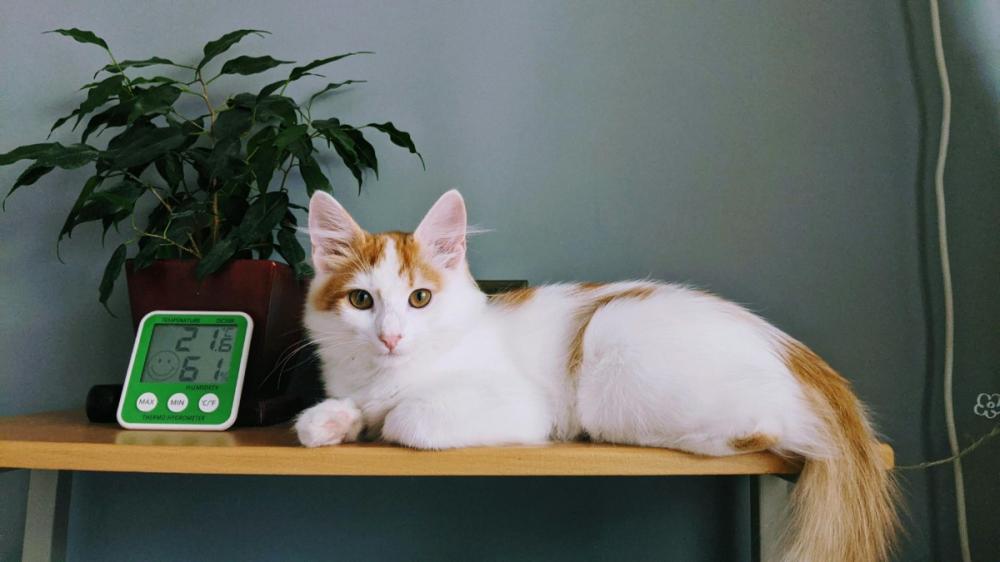
Photo by Анна Кухарчук: Pexels
1. Be mindful of medication timing
“For pets on regular medication, particularly for conditions like diabetes where your pet might be taking insulin, it’s worth checking with your vet whether or not you need to shift their medication schedule. For insulin, even small changes in timing can affect how a medication works.”
2. Adjust mealtimes gradually
“Just as humans can feel out of sync after a time change, pets do too. Start adjusting their schedule gradually in the week leading up to the clocks going forward. Move mealtimes by 10–15 minutes earlier each day so that by the time the day comes, they’re already on the new timetable. This gentle transition prevents confusion and keeps pets happy and relaxed.”
3. Spring hazards to watch out for
“With increased daylight hours meaning more time for pets to enjoy the outdoors, owners should be mindful of new seasonal risks and warmer weather. This includes adder bites, wasp and bee stings, eating slugs and snails, and heat stroke as the weather gets warm.”
“Owners should be particularly vigilant of slugs and snails with the warm damp weather, as they can carry lungworm- a potentially fatal parasite. Whilst owners should make sure pets have preventative monthly treatments such as chewable tablets or spot-ons all year round, this is even more important during the warmer months.”