Michael Atkins
Motoring Correspondent
P.ublished 21st September 2026
cars
Two Generations, One Yaris Cross
After two weeks of living with two generations of the Toyota Yaris Cross, it has finally come time for me to decide whether the new car really is an improvement.
I first started taking an interest in the Yaris Cross when I began noticing just how many of them were appearing on the road. It is one of those cars that seems to have quietly become everywhere without you really noticing it happen. The Yaris Cross is quite a confusing vehicle in my opinion, mainly because of its proportions and the idea behind it.
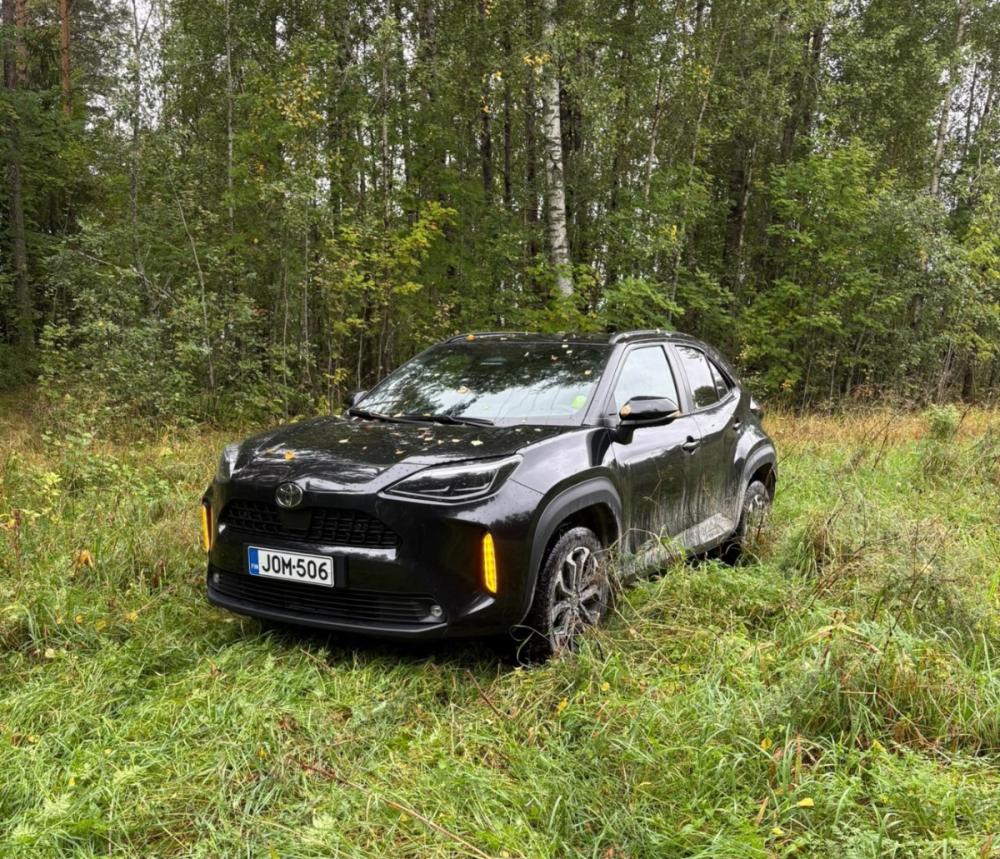
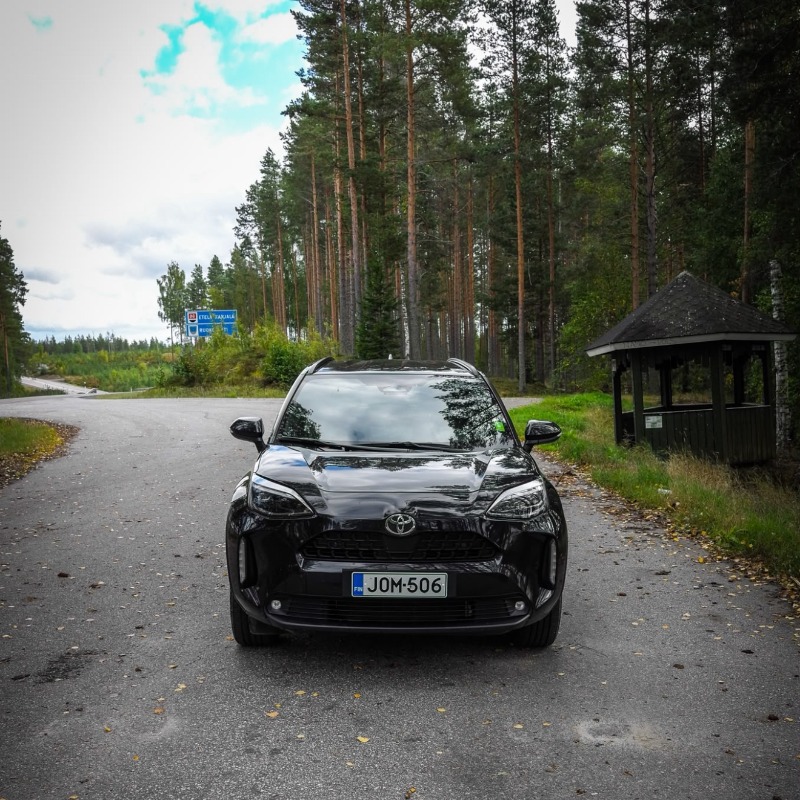
It is not quite a traditional hatchback, but it isn't exactly a large SUV either. It sits somewhere in the middle, trying to offer the practicality of an SUV without becoming a huge car. My first proper experience with the Yaris Cross came by chance while I was on an annual holiday in Finland. I had the outgoing generation on loan for the week and covered around 700km with it.
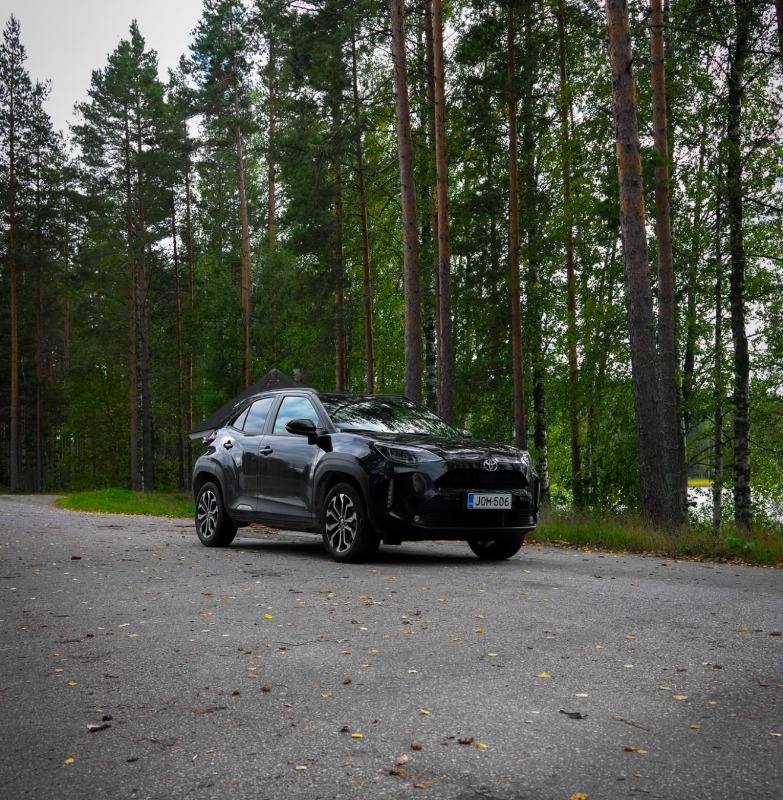
Finland turned out to be a perfect place to have one: with long stretches of road, rural routes and a mixture of hard and soft surfaces to drive across. When I first got the keys, I was surprised by how much the rear of the vehicle reminded me of Toyota's C-HR. The front was certainly more unusual, with a sharp and angular appearance, which I wasn't completely convinced by.
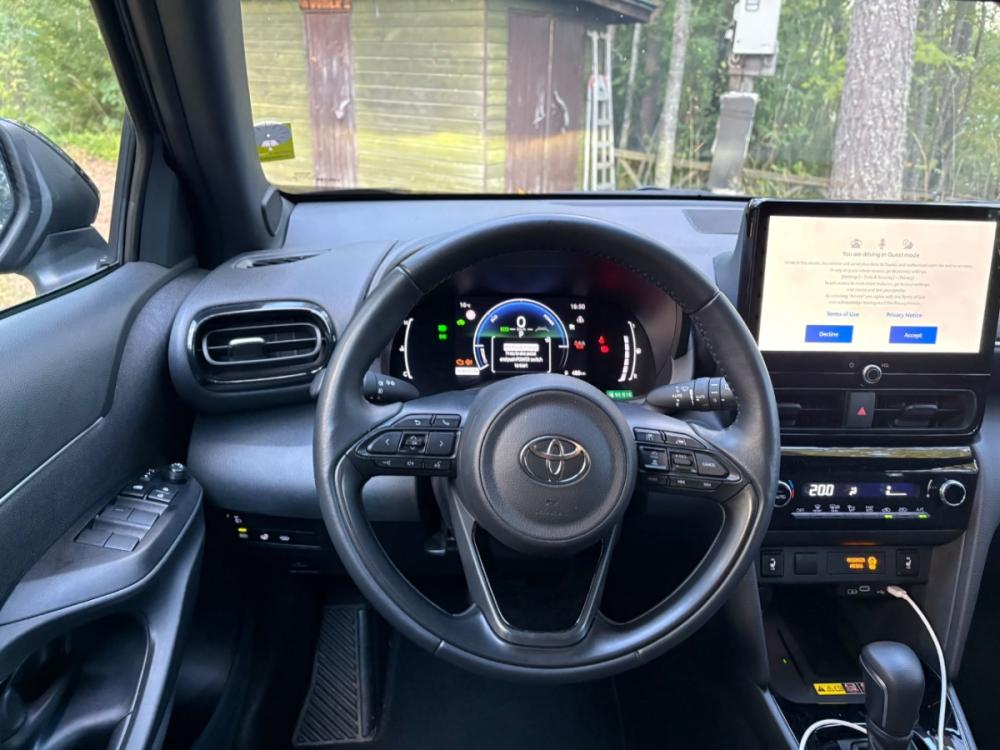
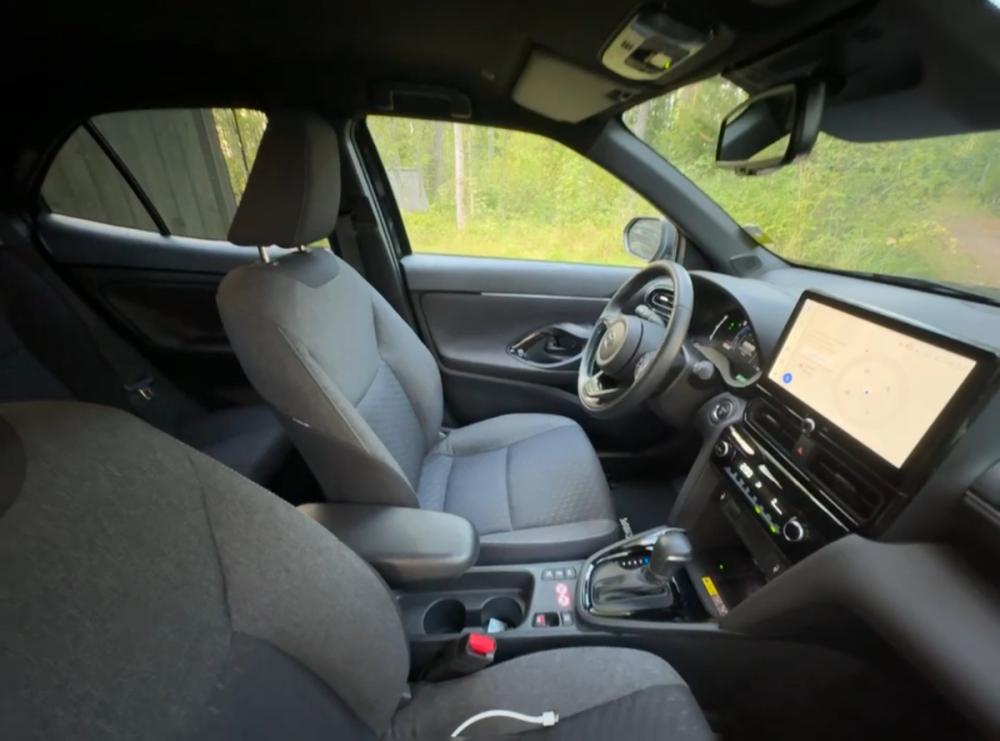
Inside, the older generation of Yaris Cross is fairly basic, but that isn't necessarily a bad thing. The controls are simple and easy to understand, which became particularly useful during those long drives. The controls on the driver's door are positioned quite high compared with other vehicles, and although I understand why Toyota did this, I repeatedly found myself opening the rear windows when trying to adjust the mirrors. The armrest, however, is positioned at a really comfortable height.
Once I had cruise control on, I could rest my arm on the door and let the car get on with the miles. For a car designed around everyday use, it worked really well. One thing I never really understood was the interior door handle. You have to put your hand down into this small tunnel to reach it, and it just feels far more complicated than it needs to be. Then again, it does give you somewhere to put your keys, which I managed to do on several occasions and then completely forget about.
The hybrid system was probably my favourite part of the car. Over the 700km I covered in Finland, it proved to be a consistently capable and comfortable long distance car. The system constantly switches between petrol and electric power and, when using cruise control, you can actually see the car working out when to conserve energy and when to recharge. I found Eco mode worked particularly well and, despite not being an electric car, the Yaris Cross managed to return some impressive fuel economy.
There were a few things that annoyed me, though. At night, I found the headlights seemed to sit rather high compared with other cars. I received several flashes from oncoming drivers who appeared to be getting dazzled. You can manually lower the headlights, but then it felt like I was losing too much visibility in front of the car. The controls for the lights are also positioned in an awkward place underneath the dashboard, which isn't ideal when you're trying to find them in the dark.
![]()
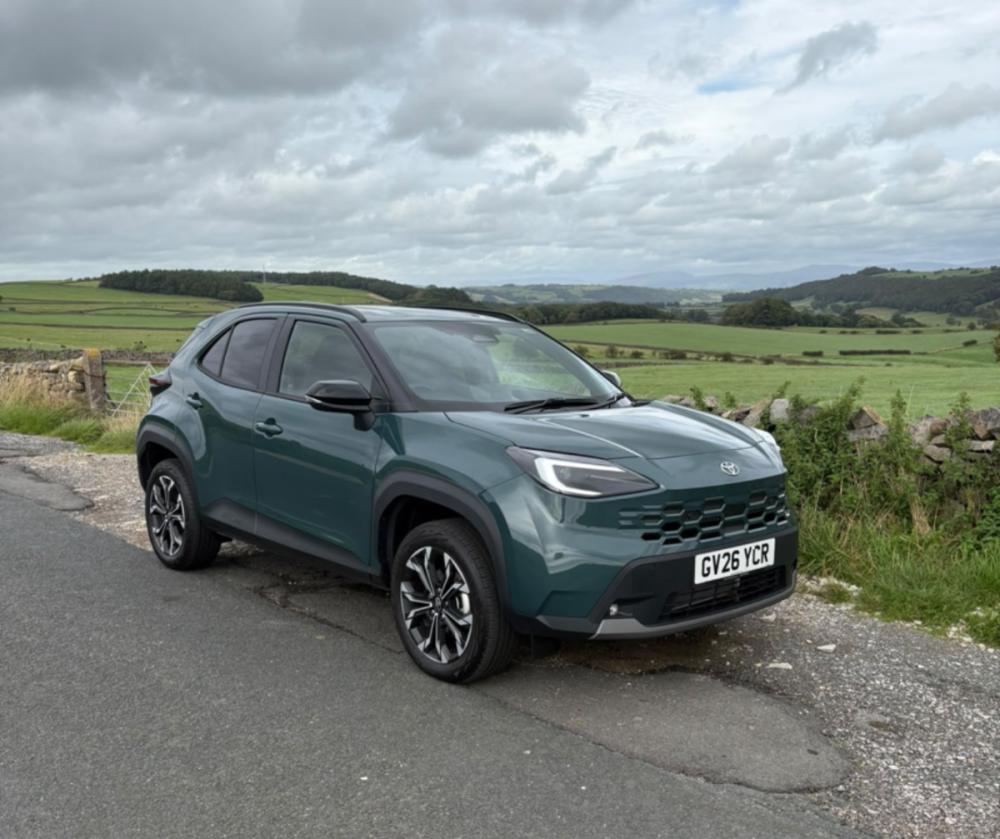
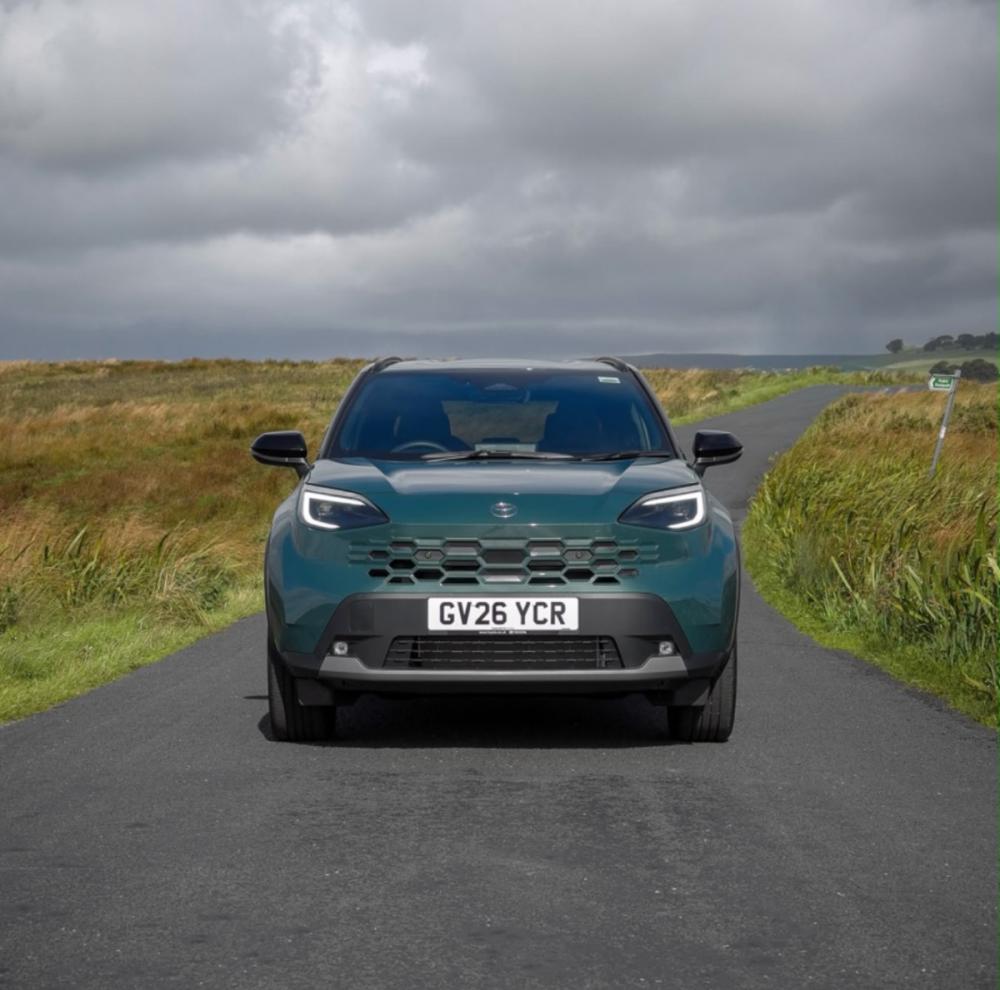
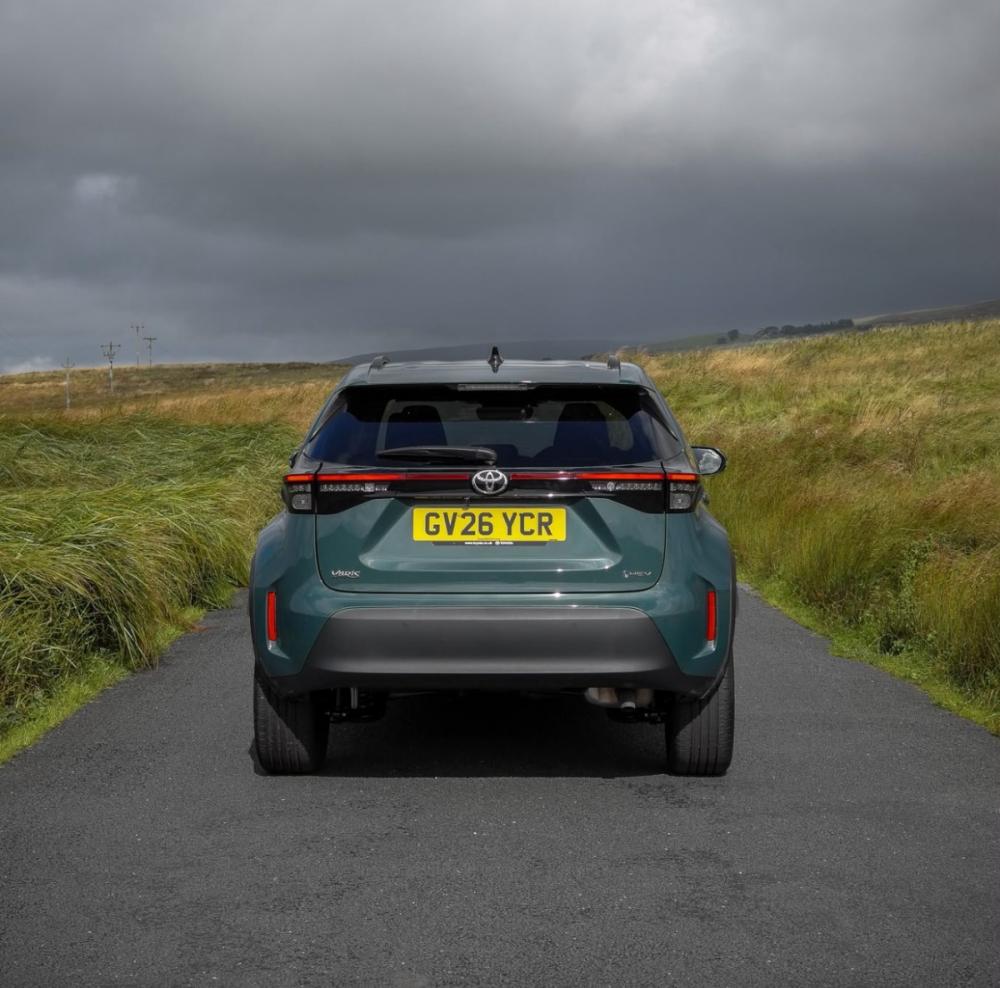
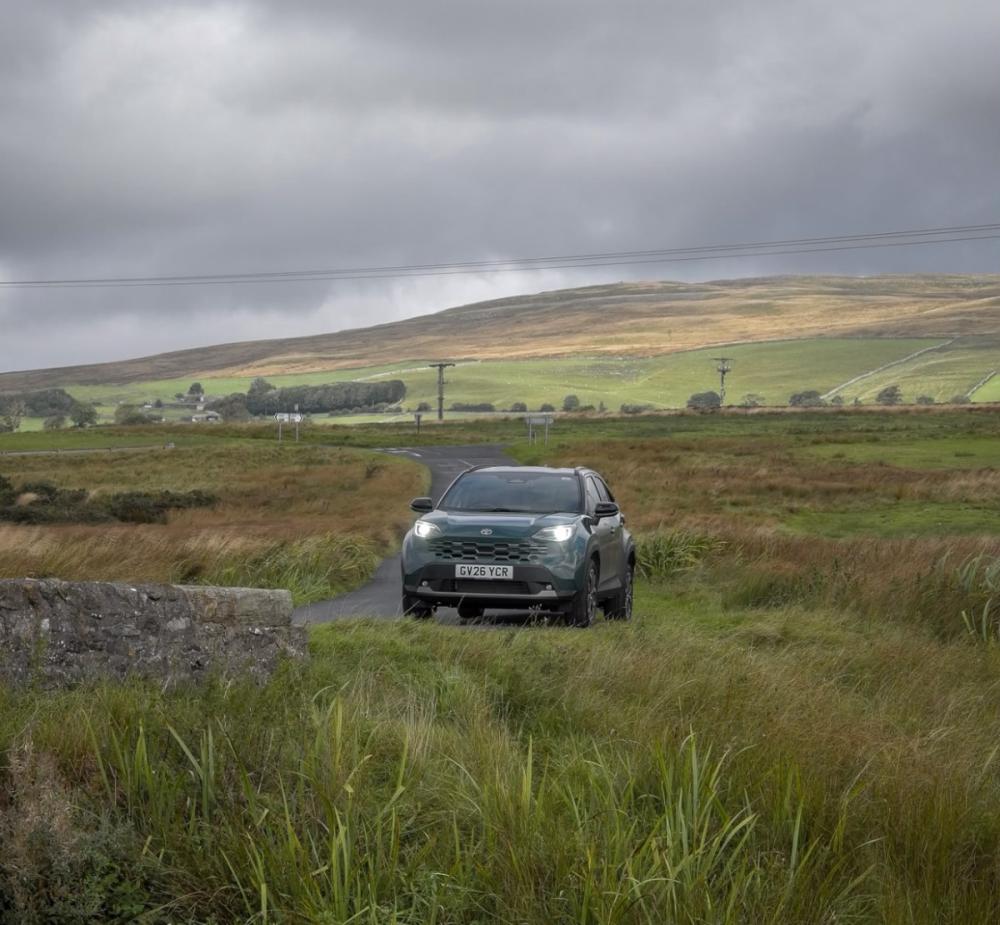
Then, back in the UK, I was given the opportunity to experience the new generation of this vehicle when Toyota kindly gave me the keys to the new 2026 facelifted Yaris Cross. The first thing you notice is the car's front end. Toyota's designers have managed to make the car look considerably better without completely changing what it is. The new daytime running lights also act as the indicators and, in my opinion, really improve the appearance of the car. Thankfully, Toyota has also managed to avoid giving it a Mr Pringles moustache like you would find on the crisps.
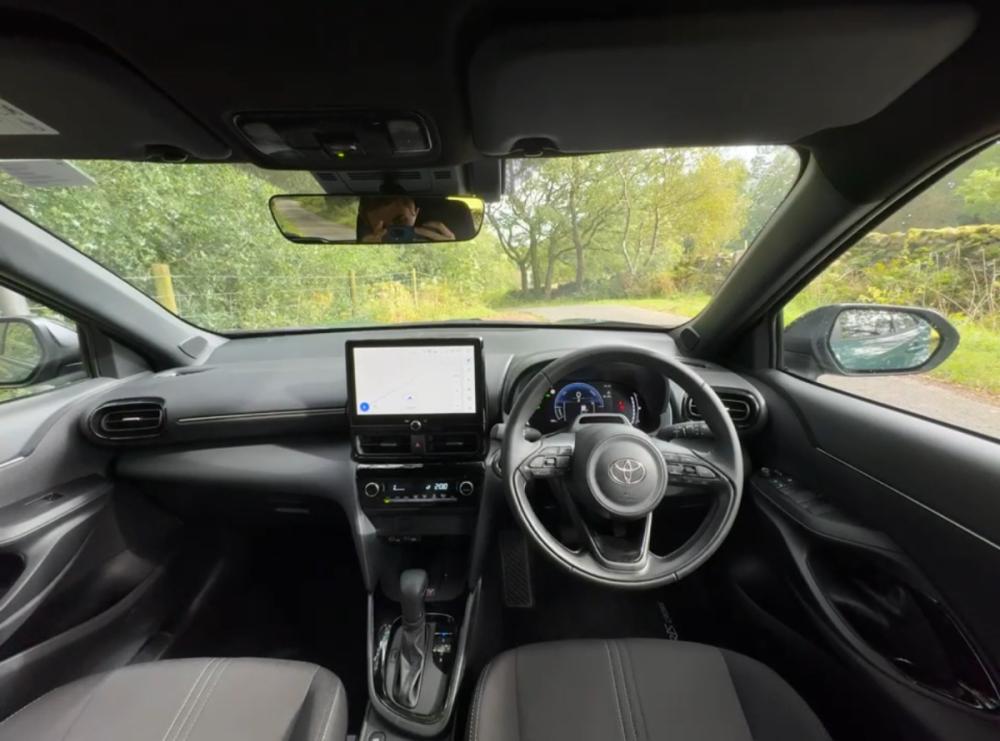
Inside, the changes are more subtle. The seats are noticeably more comfortable, although I did find the headrests slightly frustrating as they aren't separately adjustable and sit tilted forwards. After longer journeys, this did leave me with a slightly sore neck.
There is one thing buyers should be aware of, though. Some of Toyota's connected services require a subscription after the initial period, depending on the specification and age of the car, like the one I had in Finland as a rental. This didn't affect my use of Apple CarPlay, but it is something I would want to know before buying the car.
My Design model started at £30,675 and was finished in Forest Green Metallic, a £680 option. Personally, I think it is worth it. The previous car I drove in Finland was Eclipse Black, which works nicely if you want something more subtle, especially with the diamond-cut wheels.
The new car also feels more informative when it comes to the hybrid system. There is now a clearer display showing what the car is doing, making it much easier to understand when it is using the petrol engine, electric motor or regenerating energy. Toyota has also introduced additional driver monitoring technology, which is another example of how much more technology has made its way into the Yaris Cross.
After spending time with both cars in completely different environments, the new Yaris Cross is definitely the one I would choose. The outgoing car surprised me in Finland. It handled 700km, long journeys and everything from normal roads to rougher surfaces without any real complaints. It showed me that the Yaris Cross actually makes a lot of sense as an everyday car.
The 2026 facelift simply takes that same formula and makes it feel more modern. It looks better, has better technology and is more comfortable. It isn't a completely different car, but it doesn't need to be. But overall the new one wins for me.
The shortened address for this article is: newspub.uk/220zn