


search
date/time

Sat, 7:00AM
overcast clouds
14.2°C
W 11mph
overcast clouds
14.2°C
W 11mph
 | Sunrise | 5:25AM |
| Sunset | 6:54PM |  |

Phil Hopkins
Commissioning Editor
@philhopkinsuk
P.ublished 5th September 2026
travel
There Is Nothing Like A Dane!
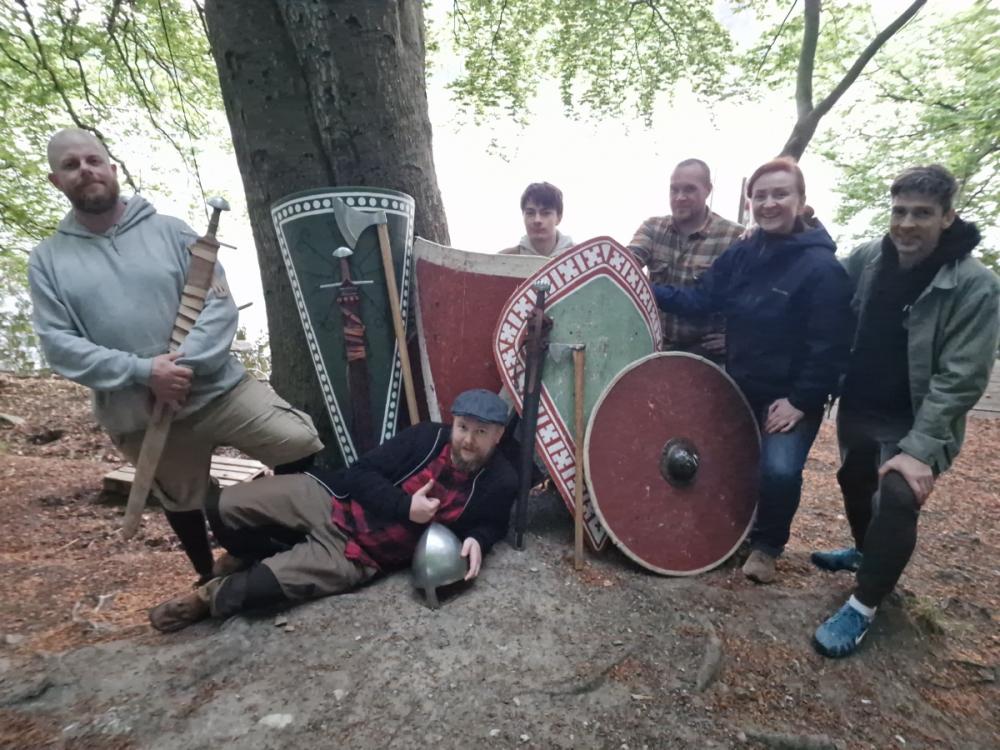
Fighting talk at the Copenhagen Sword and Glima Club
Which is probably a slight exaggeration, however, the early evening’s entertainment, probably best described as a test of courage or a feat of endurance, was in the middle of a romantic forest where a prominent Royal had once been slain!
It did not bode well but, in the end, finished up being one the best experiences I’d ever had and such fun….if, as part of the moment, slicing at a Sunday joint with what looked like a Robin Hood broad sword, can be described as such!
The Copenhagen Sword and Glima Club - Glima is Icelandic wrestling - take their craft very seriously, rediscovering traditional Danish fighting techniques, and some of its members have spent thousands of pounds having replica shields and weapons made, such is their enthusiasm for this carefully learned skill.
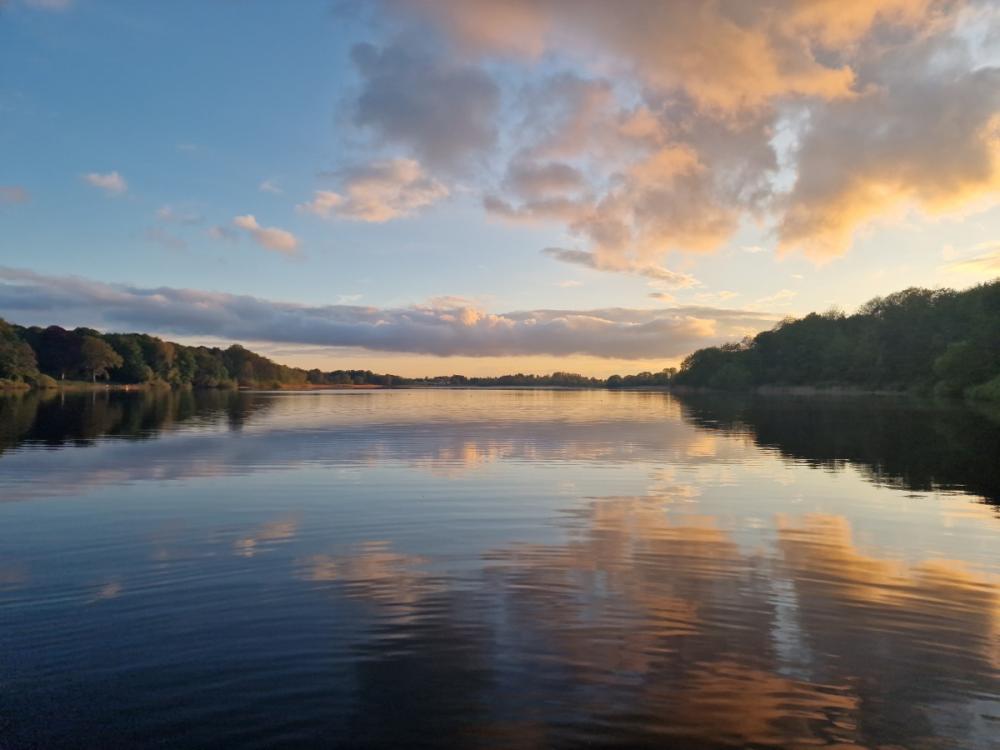
“Would you like a go?” asked Leanne.
Despite wearing a quilted, knee-length anorak - more for warmth than sartorial elegance or military protection – I replied in the affirmative and, with sword and shield in hand, had soon died a thousand deaths as my opponent exploited every chink in this Englander’s invisible armour.
Haraldsted Lake meanders over approximately 5 km, with an area of about 200 hectares, through narrow passages and is characterized by having steep slopes very close to the shoreline.
However, as much for its beauty and spectacular backdrop, the lake could rightfully claim a place in one of Terry Deary’s Horrible Histories.
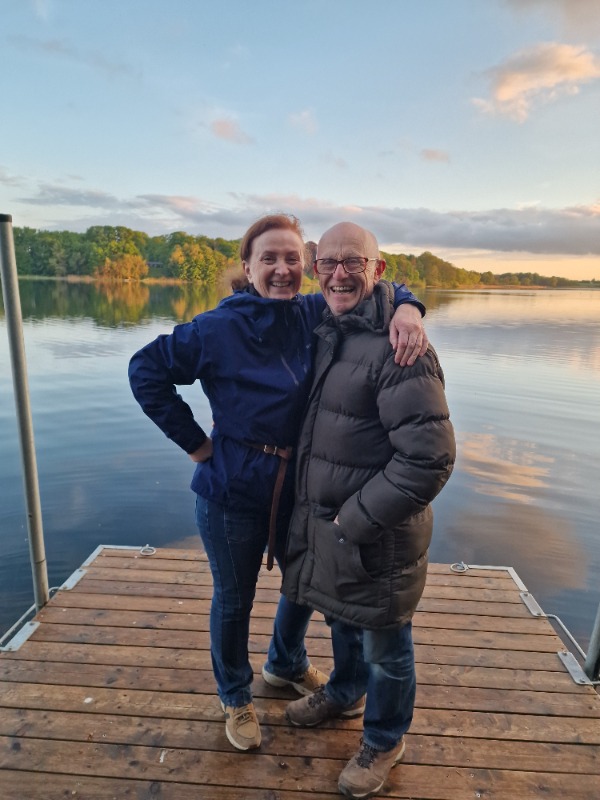
United in combat! Leanne Wray, Australia's new Viking (via Wakefield)!
So, murdering him fell to his cousin Magnus the Strong and, you guessed it, the dastardly deed was done in the shadow of Haraldsted Lake.
Somewhat ironic, therefore, that ‘modern’ Danes now use its environs to perfect their sword techniques probably close to where Canute Lavard prematurely went to his grave!
Having experienced the ‘feel’ of sword on flesh – one of the members had brought along a Sunday joint that was strung from a piece of swinging rope so that participants could take a swipe and get a feel for the devastating impact a sword can have on the human torso, it was time to sample another piece of Danish ‘history’, only this time I’d be taking along Britain’s very own Bard: William Shakespeare, mataphorically at least.
To Visit Or Not To Visit?
Kronborg Castle, some 109km from Haraldsted, rises at the tip of Helsingør—Shakespeare’s Elsinore—where Denmark faces Sweden, and was said to be the inspiration for the Bard’s greatest tragedy: Hamlet.
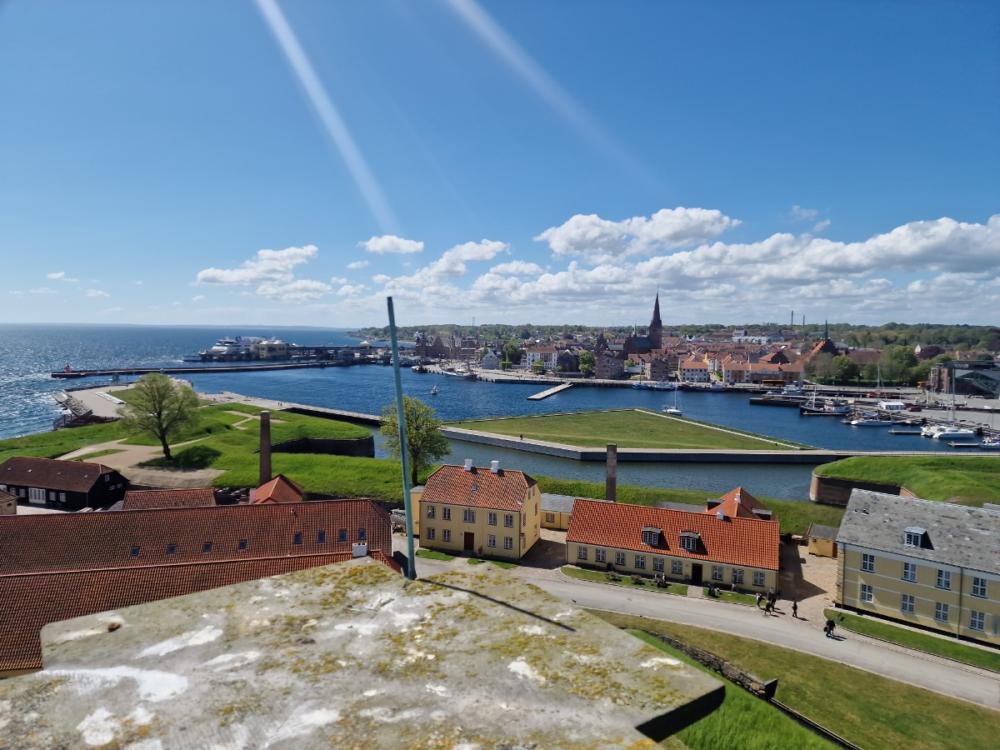
What, has this thing appeared again tonight?
Ships passing through the Sound once paid Denmark’s Sound Dues, enriching the Crown and making the fortress – transformed into Kronberg between 1575 and 1585 – into a symbol of authority.
Today it is a UNESCO World Heritage Site, celebrated for its architecture and command of the strategic waterway.
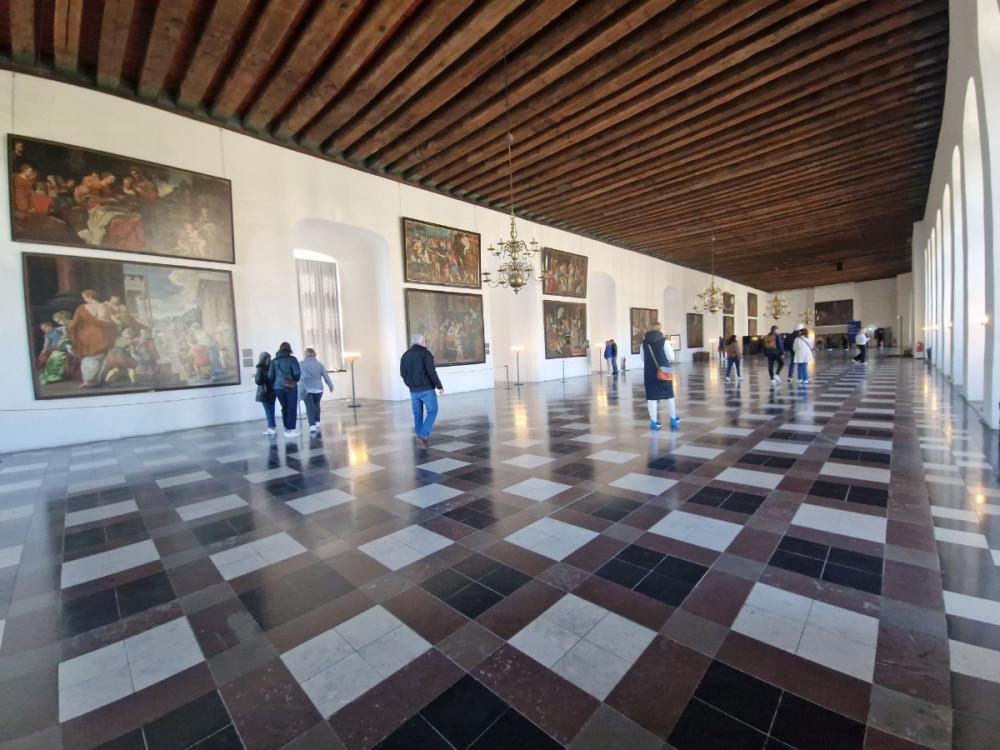
Kronborg Castle's Great Ballroom
Hamlet haunts the visitor experience and the courtyard is the perfect place to pose holding a skull. Is it a prop, or could it be Yorick’s? “Alas, poor Yorick!” is almost unavoidable.
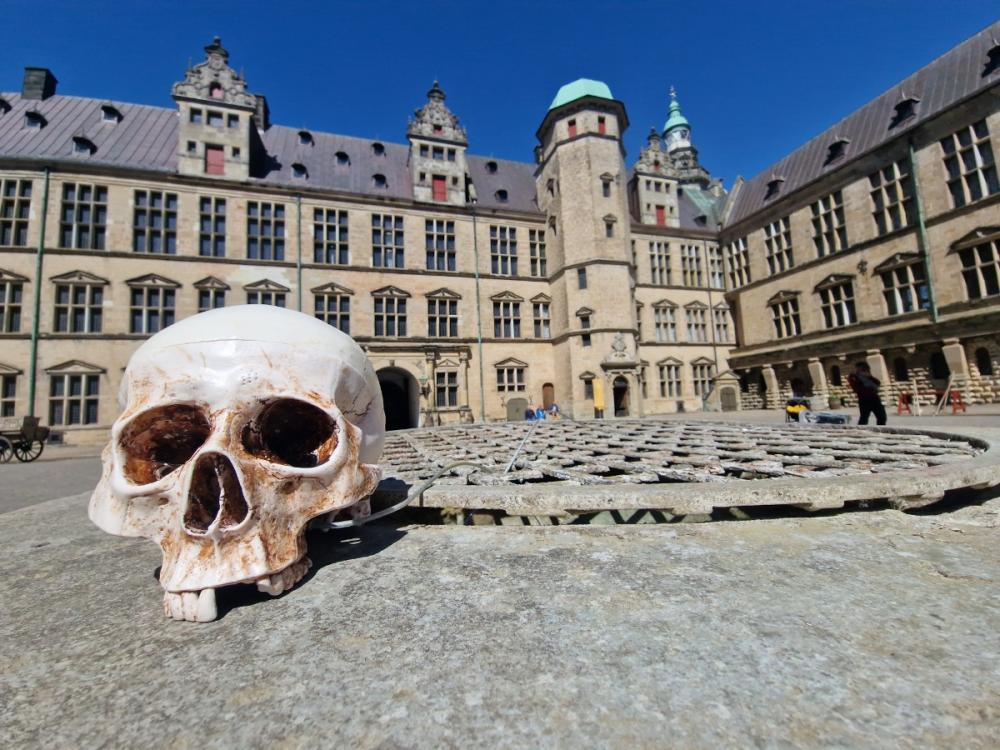
Alas poor Yorick! I knew him, Horatio
His revenge story is said to descend from the Scandinavian legend of Amleth, recorded by the Danish historian Saxo Grammaticus and retold in French by François de Belleforest.
A lost English drama, often called the Ur-Hamlet, may also have contributed. But, Kronborg supplied a compelling setting: a renowned fortress at Elsinore, familiar to English seafarers and audiences interested in Denmark.
.jpg)
The Hamlet Hall of Fame
They may have described the castle, its hard-drinking court and the custom of saluting royal toasts with drums and cannon, an atmosphere echoed in the play.
However, the connection is probable rather than provable but explains how Shakespeare could imagine Elsinore without travelling there. Written around 1600, Hamlet gave Kronborg a second identity as powerful as its history.
The troubled Prince of Denmark has challenged generations of English stage actors. Richard Burbage, Shakespeare’s tragedian, is generally credited with creating the role.
Later celebrated Hamlets include Henry Irving, John Gielgud, Laurence Olivier, Richard Burton, Derek Jacobi, Ian McKellen, Daniel Day-Lewis, Kenneth Branagh, Mark Rylance, Jude Law, David Tennant, Andrew Scott and Benedict Cumberbatch.
Distinguished women have also claimed the part, including Sarah Bernhardt and Maxine Peake. Kronborg has welcomed famous performers, with Olivier, Burton, Branagh and Law associated with productions at Elsinore.
Beyond the ramparts, Helsingør rewards a stroll. Its old centre has cobbled lanes, colourful houses, cafés, St Olaf’s Cathedral and the Carmelite monastery beside St Mary’s Church.
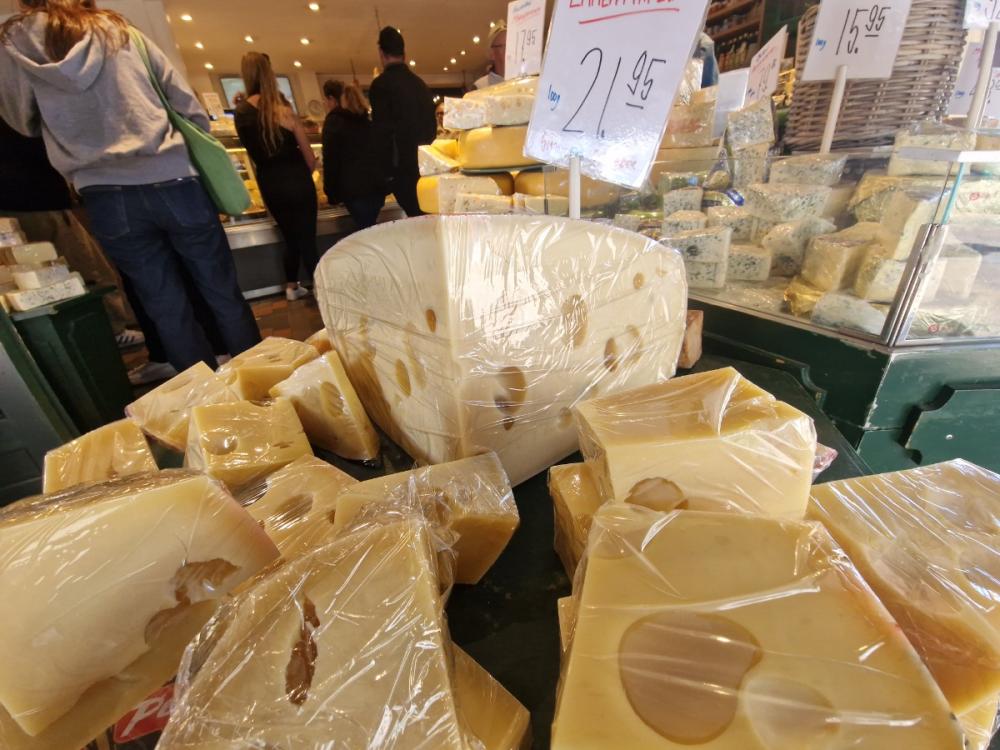
Local delicacies in Denmark's Helsingor
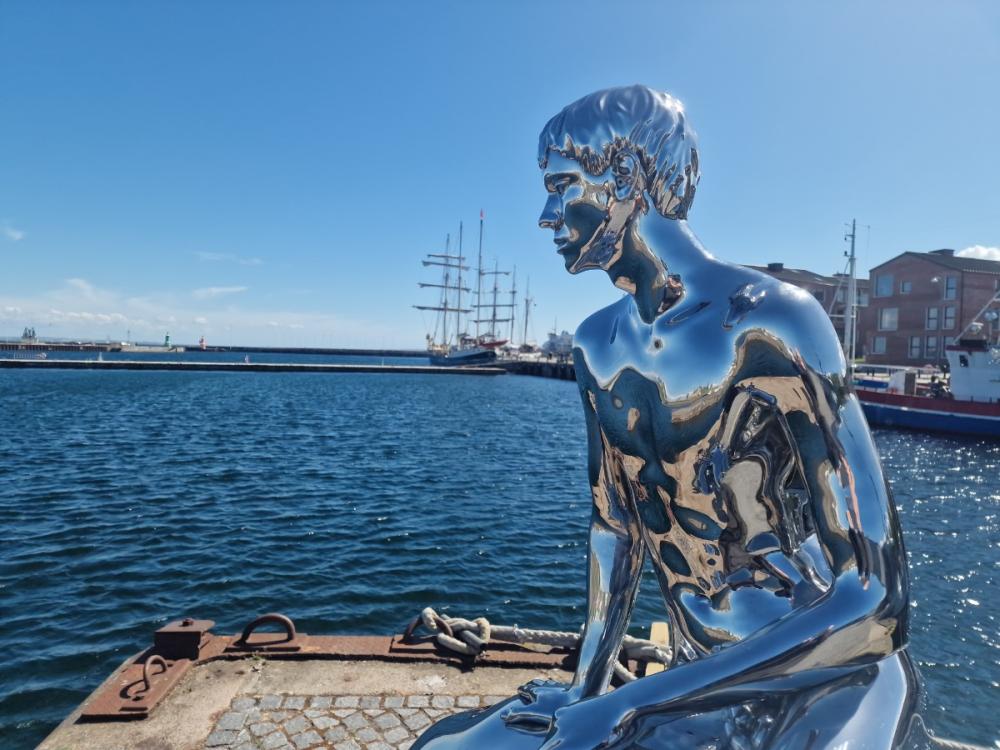
Travel is straightforward by road or local train through the countryside but the destination feels different: Kronborg faces ships, Sweden and the sea, while Frederiksborg rises romantically from a lake, surrounded by gardens and royal pageantry.
.jpg)
Magnificent Frederiksborg Castle
Frederik II acquired Hillerødsholm estate in 1560, but the complex was created by his son, Christian IV, between 1600 and 1620. Conceived as a royal residence and an assertion of dynastic ambition, it became the largest Renaissance castle in the Nordic region.
.jpg)
The Baroque Garden, Frederiksborg Castle
The castle served as a royal residence for a century and later held the Crown’s portraits.
But, in 1859 a fire destroyed much of the interior. Fundraising supported reconstruction, while Carlsberg brewer J. C. Jacobsen helped secure its future as the Museum of National History, inaugurated in 1878.
Portraits, history paintings, furniture and decorative arts lead visitors through five centuries of Danish life. Recreated rooms, including the Great Hall, restore the splendour lost in the fire.
The magnificent Chapel, remarkably, escaped the blaze almost entirely unscathed. Its decoration glitters with gilding, carved wood and heraldry.
The gold, silver and ebony altarpiece was made by Hamburg goldsmith Jacob Mores in 1606, while Esaias Compenius’s organ dates from 1610. Danish monarchs were anointed here during the era of absolute monarchy, and the walls carry coats of arms connected with the Orders of the Elephant and Dannebrog.
.jpg)
Outside, the Baroque Garden provides a controlled counterpoint to the castle’s exuberance. Laid out in the eighteenth century and restored in the 1990s, it descends in terraces, straight paths, clipped hedges and royal monograms shaped in boxwood.
Nearby, the looser English-style Romantic Garden offers lakes, shrubs and shaded walks.
Seen across the water and gardens, Frederiksborg is a complete royal landscape: ceremonial, ornate and wonderfully photogenic.
Denmark has become one of my true joys and on the several occasions I have had the good fortune to visit it never disappoints.
Obviously there is the capital, Copenhagen but, beyond the joyous screams of Tivoli, Carlsberg and Hans Christian Anderson, there is another side to this country where traditions and history run deep.
I have never failed to feel anything other than welcome in Danevang or ‘Land of the Danes’, where time seemingly stands still, traditions are important and tales are taller than one of Thomas Dambo’s recycled-wood troll sculptures!
For more details www.visitdenmark.com
Kronborg 'Hamlet' Castle: www.kronborg.dk
Frederiksborg Castle: www.frederiksborg.dk
The Copenhagen Sword and Glima Club can be found on Facebook under the name 'Kobenhavns Glima Klub'.
Also by Phil Hopkins...
The Wonderful Madness Of A UK Coach HolidayThe Boulevard of Broken Screams!The Price Of Danish HappinessCYPRUS – Still Open For Business!Rome On A Budget Via Northumberland!The shortened address for this article is: newspub.uk/220mh
Search Results