


search
date/time

Wed, 1:00AM
light rain
15.3°C
SSW 3mph
light rain
15.3°C
SSW 3mph
 | Sunrise | 5:58AM |
| Sunset | 6:08PM |  |
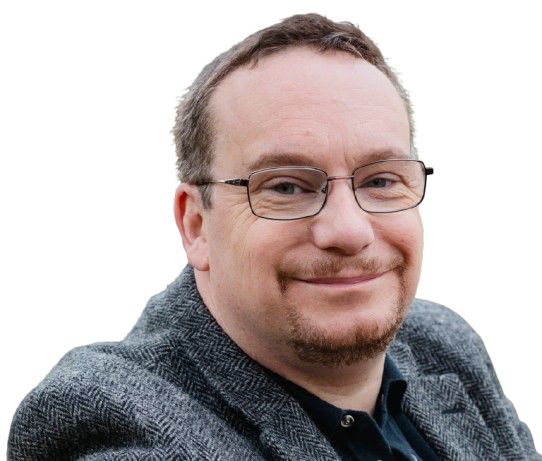
Christopher Paul Jones
Phobia Expert
P.ublished 18th July 2026
lifestyle
Tackling PTSD
.jpeg)
Christopher Paul Jones
When Daniel first came to see me, he was not looking for someone to explain why he had post-traumatic stress disorder (PTSD). He already knew why. Daniel was working on the 55th floor of the South Tower of the World Trade Center on September 11, 2001.
Daniel did more than escape the building; he carried his boss down 55 flights of stairs after she froze.
Many people would see Daniel as a hero, but for years afterward, his mind and body told a different story. Every August, as the anniversary of 9/11 approached, something changed: emotions returned; panic returned; the survival response returned.
One of the most misunderstood parts of PTSD is that while the traumatic event may have ended years ago, the brain and body can continue responding as if some part of the threat is still happening.
Why do some people experience trauma and others seem to move on?
A large meta-analysis by Ozer and colleagues (published in Psychological Bulletin in 2003), looked at predictors of PTSD and found that factors such as perceived threat during the event, emotional responses at the time and the support someone experienced afterwards all played a role. In other words, what happens after a traumatic experience matters. This is why talking about trauma is not always enough on its own.
Understanding what happened can be important, but PTSD is not only held as a story. It is also held as a body response. The nervous system needs to feel safe, not just be told that it is safe. In deeper trauma work, this often means revisiting the memory from a safer position, with the support, reassurance and perspective the person may not have had at the time.

Memories
Image: Pixabay
Deep inside the brain is the amygdala, which acts like an alarm system, constantly scanning for danger, and our threat responses can activate, sometimes before the logical, thinking part of the brain has fully caught up.
This is why someone can say, “I know I’m safe,” while their body is responding, “No, you’re not.” The heart races. The breathing changes. The muscles prepare. The nervous system moves into protection.
That response is incredibly useful when you need it. But imagine your smoke alarm continuing to sound long after the fire has been put out. That is what many people with trauma experience. The protection system has not realised the emergency has finished.
Although PTSD, phobias and anxiety are different, there are similarities in how these patterns develop. The brain learns quickly from painful experiences because that is how we survive. But the same ability that allows the brain to learn fear is also what allows it to learn a new response.
Memories are not simply recordings stored permanently in the brain. When a memory is activated, there may be an opportunity for the brain to update the emotional learning attached to it.
This is where many modern trauma approaches focus: helping the brain and body process the experience differently. Many effective trauma approaches tend to work with three areas: the nervous system, the way the memory is processed and the emotional meaning attached to the experience.

Feeling overwhelmed
Image: Pixabay
Breathing exercises, grounding, mindfulness and other body-based approaches can be useful for helping someone return to the present moment when they feel overwhelmed.
One simple grounding technique is to pause and name three things you can see, two things you can hear, and one thing you can physically feel, such as your feet on the floor or your hand resting on your leg. This helps bring your attention back into the present moment and gives the brain and body clearer signals that you are safe now.
Other approaches work more directly with how the brain processes traumatic memory.
Some use bilateral stimulation, such as EMDR. Others use tapping, Havening, rhythm, focused attention or guided imagery, such as the Rewind process. While these tools come from different approaches, what they have in common is that the memory is brought to mind while the brain is given a different experience. This can reduce the emotional charge, soften the sense of threat and allow the nervous system to recognise that the danger is no longer happening now.
In my work with clients, I may use some or all of these approaches, depending on what the person needs.
With Daniel, this meant helping him change his relationship with the 23-year-old version of himself who experienced 9/11. For years, that younger self represented pain and trauma. During our work together, he was able to have what he described as a conversation with his 23-year-old self. And, for the first time, he was able to feel gratitude towards that younger version of himself.
Eventually, he said something he had never truly felt before: “I realised that I’m a hero.” The meaning he connected to that event had changed.
A quick thing you can do if you are struggling with a belief is to stop asking what is wrong with you, and instead ask what has your brain connected this with?
Better questions to consider are:
What have I learned from this?
What would I do differently if I ever faced something difficult again?
What did this experience show me about what matters?
What strength, instinct or resource did I use to get through it?
Changing those meanings can be a powerful part of healing.
After working through some of the limitations that had kept him stuck, Daniel was able, for the first time, to look forward to September without fear. After years of dreading that month, he told me: “I’ve had the best September of my life.”
The past had not disappeared. The memory remained. But his brain and body had finally learnt something new – the danger was over.
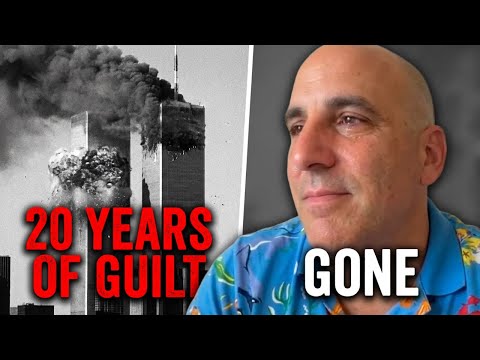
You can watch Daniel talk about his experience in the video below.
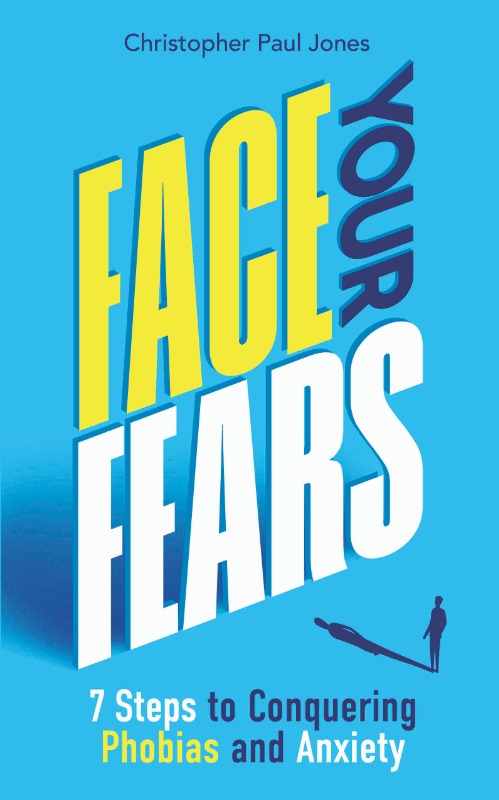
Book “Face Your Fears”: https://www.amazon.co.uk/Face-Your-Fears-Conquering-Phobias/dp/1789295327
Also by Christopher Paul Jones...
How To Manage Stress Caused By Events You Cannot ControlLifelong Phobias Can Be Prevented In ChildhoodThe shortened address for this article is: newspub.uk/2206q