


search
date/time

Tue, 1:00AM
overcast clouds
15.9°C
SSW 1mph
overcast clouds
15.9°C
SSW 1mph
 | Sunrise | 5:56AM |
| Sunset | 6:11PM |  |
P.ublished 1st August 2026
nature
Rare White-Clawed Crayfish Given Lifeline As Recovery Work Begins Across The North
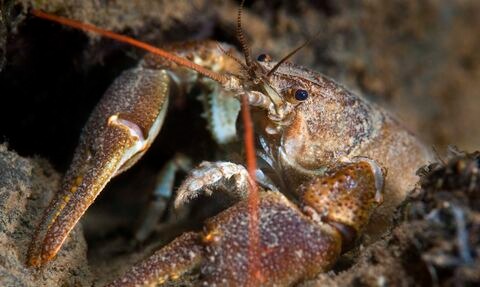
White Clawed Crayfish
A major conservation effort is underway across the North of England to help save the UK’s only native freshwater crayfish from disappearing from rivers and streams.
The white-clawed crayfish was once a familiar part of freshwater life across the country, quietly playing its role in healthy rivers. Today, it is globally endangered, with populations having fallen by an estimated 70–80% in recent decades. Its decline has been driven by pollution, habitat loss, disease and the spread of invasive non-native crayfish.
.jpg)
Crayfish recorded during local survey work
Photo: Tyne Rivers Trust
Working from Lancashire and Teesside in the south to Cumbria and Northumberland in the North, organisations will collaborate as part of a national recovery programme to protect remaining populations of white-clawed crayfish.
Northern partners involved in the project include Eden Rivers Trust, Lune Rivers Trust, West Cumbria Rivers Trust, Ribble Rivers Trust, Tees Rivers Trust, South Cumbria Rivers Trust, Tyne Rivers Trust, The Wildfowl and Wetlands Trust (WWT) the Environment Agency (EA), and Natural England (NE)
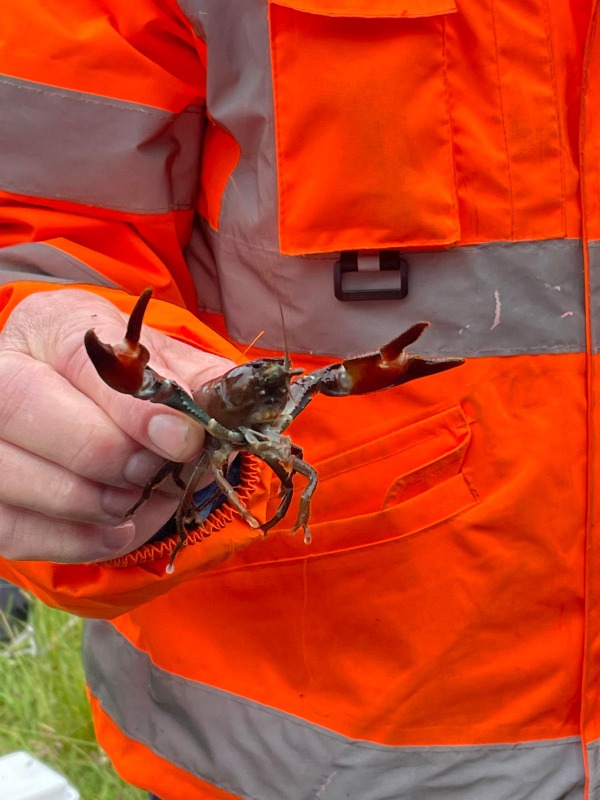
Invasive signal crayfish found during local crayfish survey work
Photo: Tyne Rivers Trust
The work forms part of a wider national recovery programme, led by The Wildlife Trusts and supported by Natural England’s Species Recovery Programme. The programme brings together around 40 organisations from across England in the largest coordinated effort yet to support the species.
For many people, crayfish may be rarely seen. But beneath the surface of our rivers, burns and streams, they are an important part of the natural balance. As the UK’s largest native aquatic invertebrate, white-clawed crayfish help recycle dead plant and animal matter, support water quality and provide food for other native wildlife, including otters, herons, eels, brown trout and salmon.
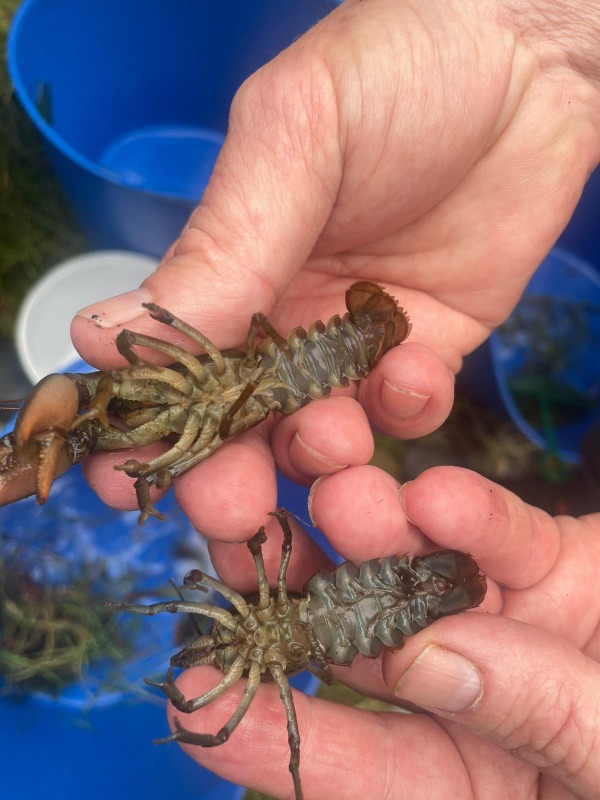
Crayfish survey work being carried out by Tyne Rivers Trust
Stan Smith, head of nature and species recovery at The Wildlife Trusts, said:
“This programme represents a significant milestone for white-clawed crayfish conservation. For the first time, we have the opportunity to coordinate action at a truly national scale, bringing together the expertise of conservationists, scientists and practitioners from across England.
“Through a combination of targeted nature recovery efforts, breeding and reintroduction programmes, and innovative research, we can give this iconic native species a lifeline; together we’re creating the best possible chance for white-clawed crayfish to thrive in healthy English waterways once more.”
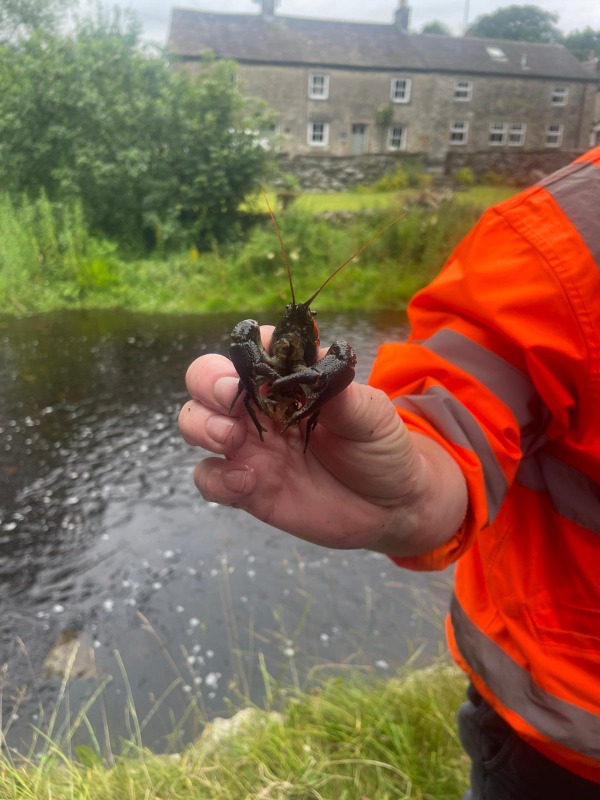
Crayfish survey work being carried out by Tyne Rivers Trust
The project forms part of the Government’s Wild Again: Restoring England’s Wildlife initiative, delivered through Natural England’s Species Recovery Programme, which is supporting projects across England to help recover threatened native species and habitats.
The northern partners will share updates as survey, monitoring and Ark site work progresses.
The shortened address for this article is: newspub.uk/220dl
Search Results