


search
date/time
Thu, 1:00AM
light rain
12.6°C
SSW 9mph
light rain
12.6°C
SSW 9mph
 | Sunrise | 3:57AM |
| Sunset | 8:17PM |  |
P.ublished 20th May 2026
frontpage
Inflation falls to 2.8% — but reprieve for households 'will be short-lived'
Middle East conflict set to drive prices higher again as energy and fuel costs feed through, economists warn
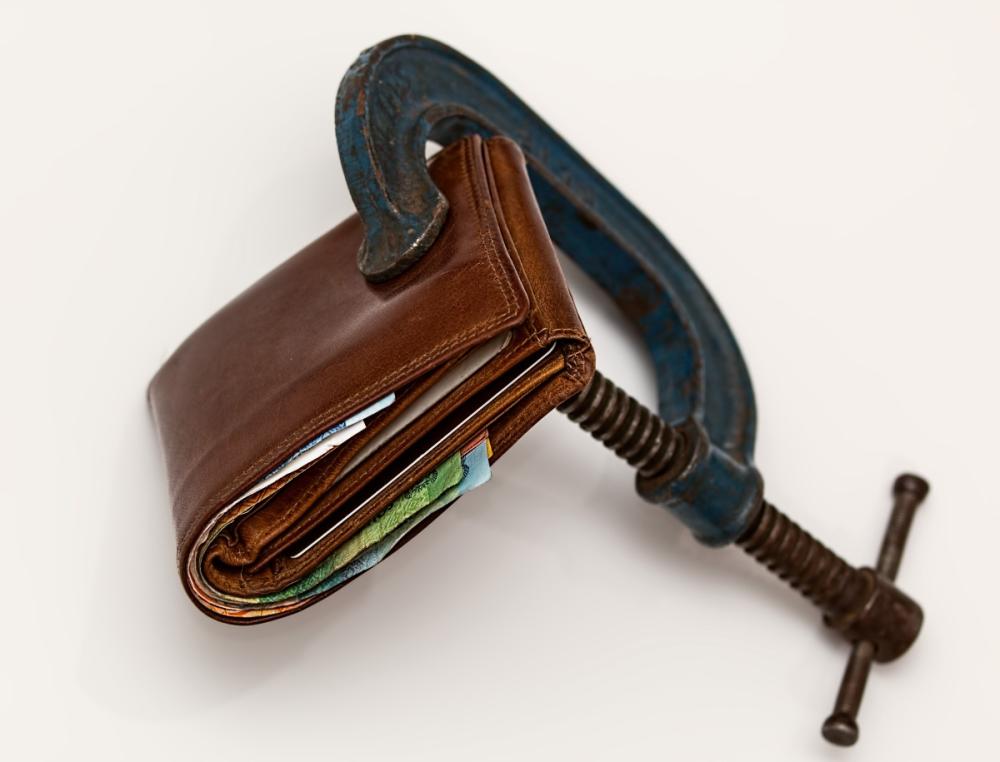
Image by Steve Buissinne from Pixabay
Figures published from the Office for National Statistics came in below City expectations of 3% and marked the lowest reading since March 2025. The slowdown was driven principally by a sharp fall in housing and household services inflation following the Ofgem energy price cap reduction on 1 April, which cut the typical dual-fuel direct debit bill by £117 a year.
But beneath the headline figure, motor fuel prices rose at their fastest annual pace since the early months of the war in Ukraine, a warning sign that the easing in the cost-of-living squeeze may be temporary.
Anna Leach, Chief Economist at the Institute of Directors, said the improvement was unlikely to last. "Inflation surprised on the downside in April, reflecting lower household energy bills following the Ofgem price cap reduction and Budget measures, alongside smaller increases in VED and water charges than a year ago, and some Easter timing effects," she said.
Sadly, this improvement is set to be short lived as the impact from the Middle East conflict continues to build, with motor fuel prices rising at the fastest pace since the Ukraine war.
Ms Leach urged ministers to focus policy on the underlying drivers of business costs. "With business margins under persistent pressure, price rises reflect the reality of rising costs for business. Addressing the drivers of those costs — particularly regulation, taxation and energy — will be key to limiting further price rises."
Her warning was echoed by Alpesh Paleja, Deputy Chief Economist at the CBI, who said April's data did not yet fully reflect the impact of the conflict on global energy markets. "While fuel prices rose again through much of the month, higher global energy costs have yet to feed through more broadly into energy-intensive parts of the inflation basket, particularly food and household utility bills. As a result, inflation is likely to rise again in the months ahead, potentially peaking around the turn of the year."
However, Mr Paleja struck a more reassuring note on the scale of any renewed surge.
The backdrop this time is very different from the last inflation shock. Economic growth is lukewarm and the labour market is loosening, which should help to contain knock-on effects on wages and domestic prices. So, while inflation is likely to move higher again, it is expected to remain far below the double-digit rates seen in 2022 and 2023.
The Bank of England's Monetary Policy Committee, which voted 8–1 last month to hold Bank Rate at 3.75%, has already signalled it expects CPI to run at between 3% and 3.5% through the second and third quarters of this year.
Kevin Brown, savings expert at Scottish Friendly, said today's figure would do little to alter that calculus. "At first glance, April's surprising inflation reading of 2.8 per cent looks like welcome progress. Yet it should not be taken as a sign that the UK has somehow weathered with resilience the inflationary fallout from the conflict in the Middle East."
Mr Brown said the timing of the Ofgem reset had flattered the figures.
A large reason why inflation eased in April is that the energy price cap was reset lower before the recent surge in oil and gas prices fully fed through to households. When the cap is updated again in July, it is likely to reflect more of the increase in wholesale energy costs that motorists have already experienced at the petrol pumps.
He warned that the next reading, due before the Bank's June meeting, would offer a clearer view of underlying pressures, and that families faced a difficult summer if wage growth continued to slow.
For households, the message from financial services was to take advantage of the brief lull.
Alex Beavis, Interim Director of Retail Banking at LHV Bank, said the data offered "the first sign in months that the pressure on household budgets may be starting to ease" but cautioned that "prices are still rising, just more slowly."
Mr Beavis urged savers to audit their accounts while the gap between headline inflation and the best savings rates remained narrow.
Review all of your savings pots and bank accounts to make sure your interest rate is keeping pace, otherwise you're effectively losing money. This includes old accounts too. Don't make the mistake of thinking that your closed accounts are keeping up — providers are notorious for lumbering such accounts with pitiful interest rates.
With another Ofgem cap review due in July and the impact of higher oil prices still working its way through supply chains, economists believe yesterday's figure may prove the low point of the year. As Ms Leach put it, the relief at the checkout and the petrol pump is likely to be measured in weeks, not months.