


search
date/time

Mon, 12:00AM
light rain
5.1°C
W 17mph
light rain
5.1°C
W 17mph
 | Sunrise | 6:26AM |
| Sunset | 6:13PM |  |

Jeremy Williams-Chalmers
Arts Correspondent
@jeremydwilliams
P.ublished 6th March 2026
arts
Interview
In Conversation Ásgeir
 Einar Egil.jpg)
Ásgeir
Photo: Einar Egil©
The songs slowly came together, and I played most of the instrumentation myself. In the autumn of ’24, I did a session with a band. We recorded five or six songs together, and three of them made it onto the album. I have really great memories from that session — it was so much fun recording with a band. I’m definitely going to do more of that in the future.
Did any song completely change direction halfway through writing it?
Not really in terms of the arrangements, but some of the lyrics were rewritten and changed quite a lot during the process. That’s just part of it, I think.
Is Julia a very planned album, or did you let accidents and mistakes guide it?
It was planned in some ways. I wanted it to sound like a band playing together — not overly produced. I knew I wanted to write the lyrics myself, but I didn’t know what I wanted to write about at first. I always write the melody and chords before the lyrics, and that usually gives me a direction. There were definitely some happy accidents in the recording process — we tried to capture moments rather than chase perfection.
Which track felt the most vulnerable to record—and why?
Smoke felt the most vulnerable. It talks about a time in my life when I felt alone and lost, so it still hits me when I sing it. I felt like my creative muse had left me, and that’s a very bad feeling.
If you had to remove one song from Julia, which would be the hardest to let go of?
Probably Smoke or Universe. They’re two of my favourites.
What’s something outside of music (a book, place, conversation, silence) that shaped this album?
Some conversations I had with my girlfriend inspired several songs. Talking about our dreams for the future and where we wanted to live in a few years shaped Ferris Wheel. I’d recently been listening to Suzanne by Leonard Cohen when I wrote Julia, and I think that sparked the idea of using a female name in the song – something I’d never done before. Quiet Life came after a weekend trip my girlfriend and I took with a group of people where I didn’t really feel like I belonged.
Do you write differently when you know songs will be played live later?
I’ve started thinking more about that. I’m aware that I have to play these songs live, so I want them to be comfortable to perform. I didn’t always do that in the past, and there are some older songs I never play because of that.
Do melodies usually come from emotion first or from experimenting with sound?
Melodies always come from a feeling. I usually sit at the guitar or piano and sing whatever gibberish naturally comes out — that’s where it begins.
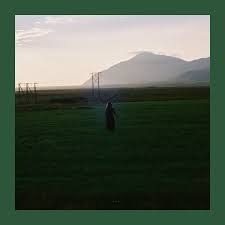
I think the album as a whole helped me work through some things and let go of parts of the past. It was therapeutic in that way.
We are very excited for the tour, is there a UK city that always gives you a slightly different energy on stage?
I really like Scotland — beautiful nature, nice people, and I love the accent. I’m excited to play there again. London is always special too. I usually play small, intimate venues around the UK, and I really like that — meeting people after the shows and connecting.
What’s your pre-show ritual when you’re on tour?
Nothing too exciting. I usually find a quiet place about 10–15 minutes before the show, warm up my voice a little, make sure there’s water on stage — and then I’m good to go.
Are there any songs you’re especially excited—or nervous—to play live?
I’m most excited to play the new songs. I’ve been rehearsing them with a band, and they’re sounding really good. But it’s also always fun to play songs people already know well — you can feel their excitement, which makes me excited too.
What do you hope people feel walking out of your UK shows this time?
I hope they leave with a sense of peace and community. It feels like there’s so much chaos in the world right now — hopefully the shows can lift people’s spirits a little.
14 April Leeds Brudenell Social Club
15 April Newcastle – The Cluny
16 April Manchester Band On The Wall
17 April Glasgow Room 2
Also by Jeremy Williams-Chalmers...
In Conversation With Rising UK Pop Artist Charlie AkyAlbums: Harry Styles Kiss All the Time. Disco, OccasionallyLook Mum No Computer Unveils Eurovision Entry — And The Sceptics May Have To Think AgainAlbums: Geneviève Racette Golden (Deluxe)Albums: Gogol Bordello We Mean It, Man!