


search
date/time

Mon, 12:00AM
light rain
7.6°C
ESE 5mph
light rain
7.6°C
ESE 5mph
 | Sunrise | 7:46AM |
| Sunset | 5:03PM |  |

Andrew Palmer
Group Editor
P.ublished 7th February 2026
arts
Review
Classical Music: Tchaikovsky Symphony 6
Tchaikovsky's Soul Laid Bare
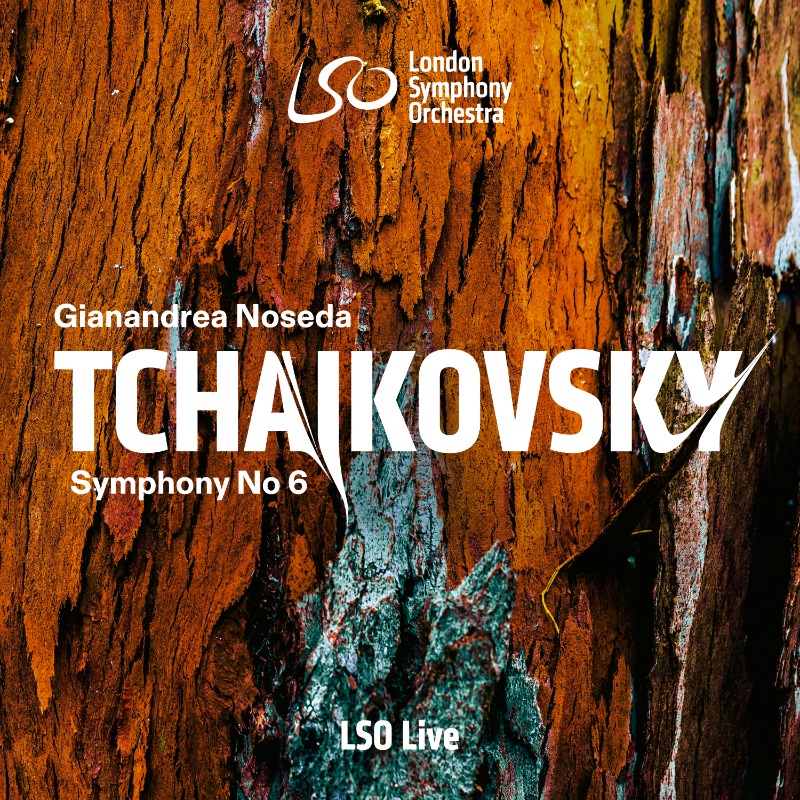
Tchaikovsky: Symphony No. 6 in B minor, Op. 74 'Pathétique'; Mussorgsky: Prelude to Khovanshchina
London Symphony Orchestra/Gianandrea Noseda
LSO Live LSO0895
https://lsolive.lso.co.uk/
As Andrew Huth reminds us in his excellent liner notes, Tchaikovsky was taken ill five days after conducting the Pathétique and died four days later.
This final symphony is a work of haunting beauty and emotional depth—a journey from darkness to fragile light. From its doom-laden opening to the desperate, fading sorrow of its final notes, the outcome is music that doesn't just tell a story: it feels one. Tchaikovsky never revealed the symphony's hidden narrative, but with it he created new, intensely personal possibilities for the musical form.
Recorded live at the Barbican Hall in 2023, this performance benefits enormously from that immediacy. From the opening bars, Noseda takes the listener on a journey with a terrific interpretation that has pace but never loses intensity. The bassoon and strings are delightful in creating the composer's vision, and then Noseda unleashes the big tune with dramatic impact. Throughout, the rhythmic accuracy and energy add immeasurably to this performance. The way the different departments communicate is impressive, and the ending—with the strings' pizzicato and controlled brass—is, like the rest of this album, wonderfully and articulately phrased.
The second movement, with its familiar dance-like melody, is nimbly performed, and the recording engineers have caught all the subtlety that Noseda asks for. The timpani in the third movement adds to the gripping performance, with the swaggering rhythms communicated superbly. Then, of course, there is that fourth movement, where the LSO demonstrates exquisite lyricism that pierces the heart. A gripping Pathétique that captures both the symphony's desperation and its fragile beauty.
Continuing the theme of quieter music, we delve into Russian history with Mussorgsky's Prelude to Khovanshchina, an atmospheric piece that evokes the break of dawn over the Moscow River as the city slowly stirs to life. A melody grows from the strings to the upper wind, we hear a Russian folk theme, and the horns play a bell motif representing the bells of Moscow—a sublime ending to a first-class disc.
The result is a Pathétique that lives up to its name—and then some.