


search
date/time

Sat, 1:00PM
scattered clouds
17.8°C
SW 4mph
scattered clouds
17.8°C
SW 4mph
 | Sunrise | 4:47AM |
| Sunset | 7:43PM |  |

Andrew Palmer
Group Editor
P.ublished 15th August 2026
arts
Review
Classical Music: Phillip Cooke Organ Music
Cumbrian mists made audible: Cooke's organ works find their voice at Blackburn
Dialogue; Three Meditations on Plainchant Themes: I. Jesu dulcis memoria II. Christus vincit III. Salve Regina (Solemn Tone); Epitaph; Praeludium for organ pedals; Exsultet; Lament; Two Hymn Tune Preludes: I. Christ, be our light! (Farrell), II. Rhosymedre (Edwards); Fantasia; Elegy; Two Recessionals on Plainchant Themes: I. The St Edmund Antiphon; II. O lux beata Trinitas.
Ed Jones plays the organ of Blackburn Cathedral
Regent Records REGCD595 https://www.regent-records.co.uk/
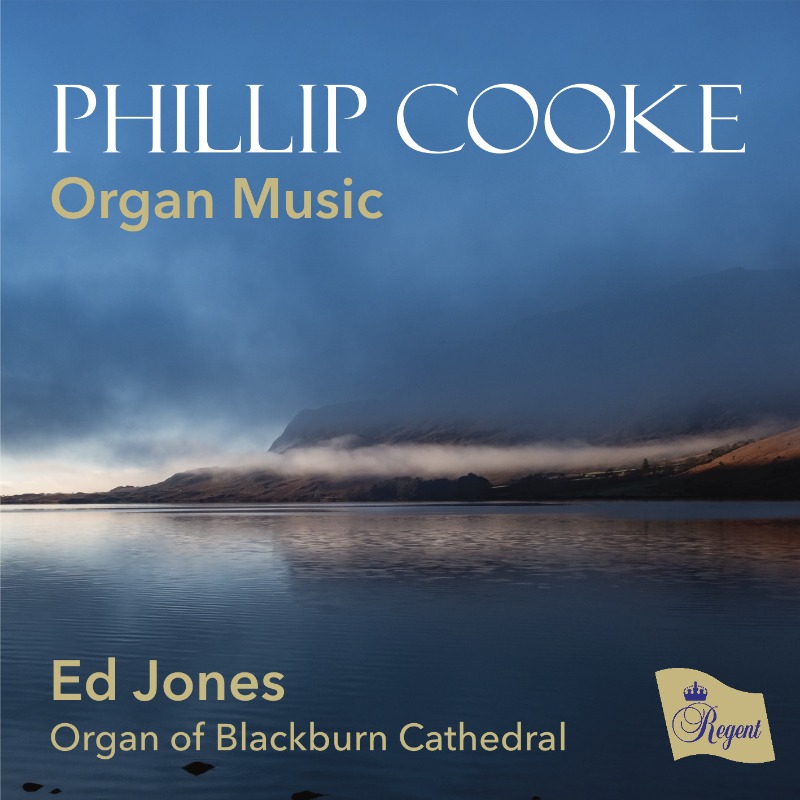
The Cumbrian inheritance runs through the whole disc, not just the biography. Cooke's harmonic language draws on the same pastoral English tradition as Herbert Howells, and in places the debt is audible without ever tipping into imitation—Howells hovers somewhere behind these pages, reimagined in a voice that is unmistakably Cooke's own. What comes through most is a sense of landscape: low cloud settling over water, blues deepening into grey, and a mistiness that Jones renders with real sensitivity to the instrument's resources. The Blackburn organ's rich reeds and its closed swell box worked with real subtlety; its resonant pipework and pedal stops are all used not for show but for shading, one hue bleeding into the next. The pedal section, which includes the famous 32ft Serpent stop, is given a lovely outing on the short and charming Praeludium for Organ Pedals.
Elegy, one of Cooke's earliest and most personal pieces, written for a friend who died tragically young, shows this palette at its most affecting. Soft, modal lines dissolve into moments of real intensity, and Jones knows exactly when to let the silence do the work, allowing lines to creep up on the listener, vanish, and reappear with mounting force. It's a piece that seems to explore time rather than simply pass through it.
Jones shapes every melodic line with care, judges his crescendos well, and never loses sight of the structure beneath Cooke's often intricate detail. Listeners with a particular fondness for the organ's own voice will discover plenty here to reward close attention, though there's no reason the wider appeal of this music should be lost on anyone else.
The disc doesn't end with a neat, resolving cadence — it simply settles, rather than concludes. It's a fitting way to close an album so preoccupied with mist and half-light, where nothing feels quite ready to clear.
Also by Andrew Palmer...
Classical Music: Spice Of Italy - Music For Violin And ContinuoIn That Pen There Is Great Power — Hannah Khalil On Writing The Farmer's Wife Classical Music: Donna McKevitt O Vos OmnesCumbria's Food And Drink Producers Shine In Great British Food Awards 2026 ShortlistCapsule Hotels Come To Soho: Small Rooms, Big IdeasThe shortened address for this article is: newspub.uk/220i5
Search Results