


search
date/time

Sun, 1:00AM
overcast clouds
10.8°C
NNE 4mph
overcast clouds
10.8°C
NNE 4mph
 | Sunrise | 5:00AM |
| Sunset | 7:27PM |  |

Andrew Palmer
Group Editor
P.ublished 22nd August 2026
arts
Review
Classical Music: Grieg Lyric Pieces, Volume 2
Donohoe's Grieg journey reaches its magical conclusion
Ballade, Op. 24; Lyric Pices: Op. 12 Nos 1, 3, 5, 8; Op. 38 Nos 1, 2, 4, 5, 6,7; Op. 43 Nos 1, 2, 4; Op. 47 Nos 1, 3, 4, 6, 7; Op. 54 Nos 2, 3; Op. 57 Nos 3, 5, 6; Op. 62 Nos 1, 2, 3, 5, 6; Op. 65 Nos 1, 4, 5
Op. 68 Nos 1, 2, 3, 4, 5; Op. 71 Nos 1, 6, 7.
Peter Donohoe
Chandos CHAN 20464(2)
chandos.net
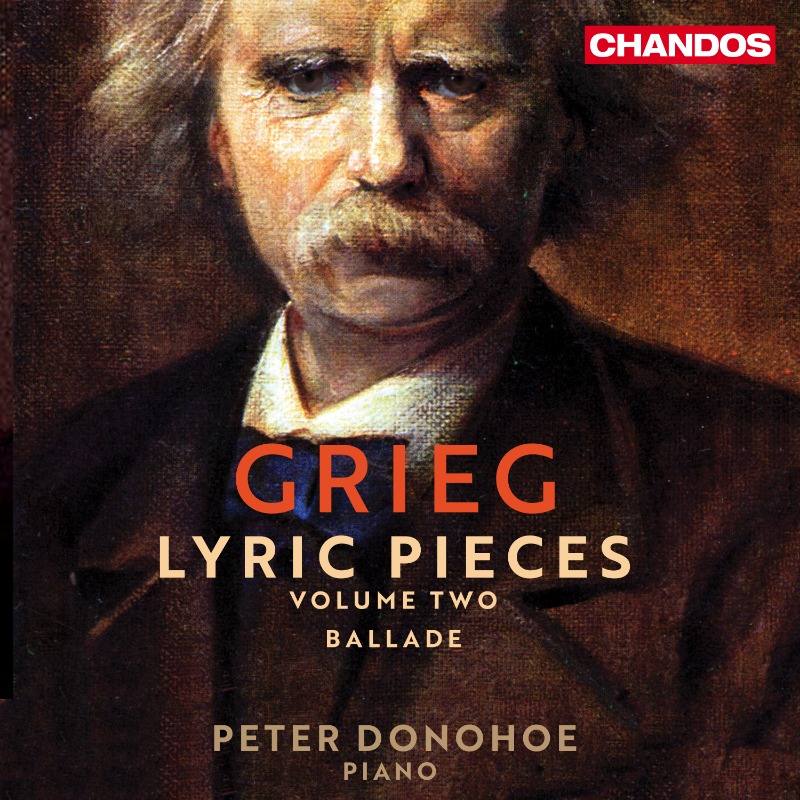
The gamble pays off. This second volume is every bit as delightful as the first, with poetry springing from Donohoe's fingers with a delicacy that borders on illusion — his left hand so controlled you barely notice its work until you try to imagine the music without it.
Troldtog showcases his formidable technique. Erling Dahl Jr's booklet notes conjure the trolls emerging from the mountainside at sunset to spend the night in mischief, racing to return before daybreak lest they turn to stone — and Donohoe makes you feel every stride of that midnight march, drawing out the harmonies and rhythms with real superiority. There's colour everywhere, especially in the upper register of the Steinway Model D he plays here, and charm in every piece; the music's expressive character comes through in flawless intonation and in Grieg's unmistakable sonorities.
Sylfide, with its lopsided triple-time melody, is captured with just the right playfulness and caprice, while Halling, rooted in Norwegian folk dance, shares enough of its melodic contour and rich texture with Wedding Day at Troldhaugen to feel like a distant cousin.
Just when you think this mesmerising journey has shown you everything, it closes with Efterklang. The piece shares its material with Arietta, the one that launched the whole cycle, yet here the same E flat major idea returns transformed — richer in harmony, subtler in its progressions, and recast in waltz time. Twenty-four years and sixty-four pieces separate the two: Op. 12 dates from 1867, Op. 71 from 1891, and together they trace the full arc of Grieg's musical and personal development.
It's a fitting place for Donohoe to leave us — Grieg's cupboard is all but bare now, and one can only hope he finds another composer's shorter works as fertile a home for his particular gifts.
Also by Andrew Palmer...
Heads Will Roll: The Charlesworths Lose Their Nerve (And The Mayor's Mace) At York DungeonContemporary Music: PremieresClassical Music: Verdi Requiem Unlike Anywhere You've Stayed Before: How One Cumbrian Castle Is Quietly Redefining The Family HolidayForty Floors Up And Forty Years Back: Leeds Gets Its Thai Fix At RambuttriThe shortened address for this article is: newspub.uk/220mz
Search Results