


search
date/time

Tue, 1:00AM
few clouds
9.7°C
E 7mph
few clouds
9.7°C
E 7mph
 | Sunrise | 6:07AM |
| Sunset | 5:56PM |  |
Andrew Liddle
Guest Writer
P.ublished 28th September 2026
frontpage
Bob Davenport : From Gateshead To Newport
Andrew Liddle pays tribute to Bob Davenport who died on Friday, 25 September
Bob Davenport
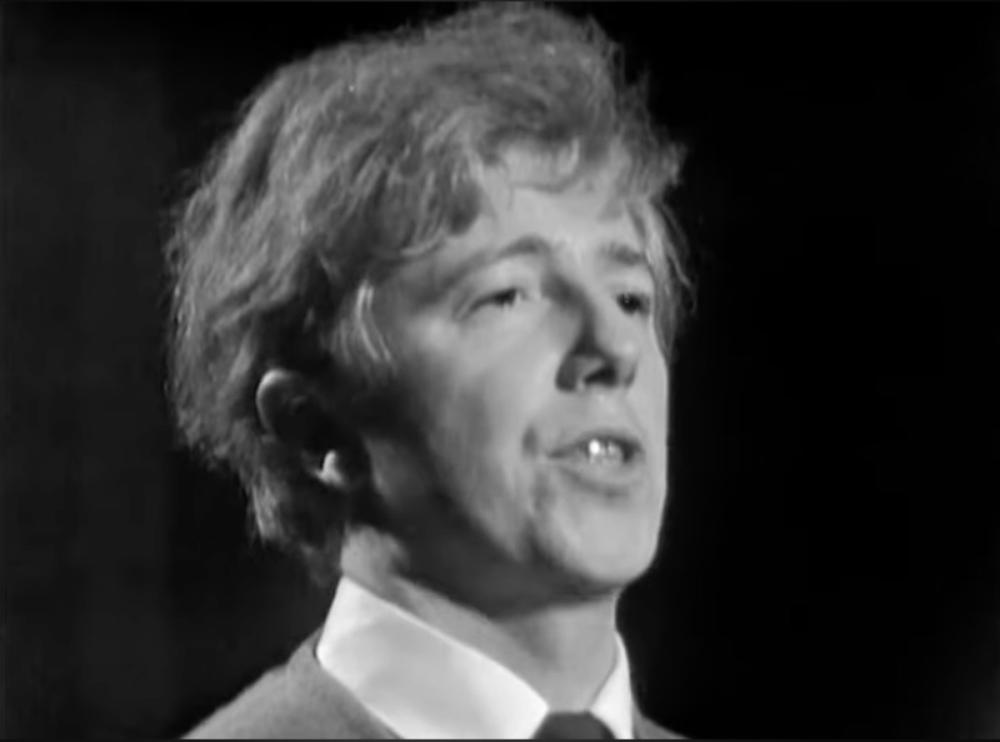
For more than six decades, Davenport was an uncompromising champion of traditional song, bringing the music of the North East and the wider British folk tradition to audiences at home and abroad. His voice was unmistakable - powerful, gritty, capable of filling a room without amplification - and his repertoire ranged from Geordie songs and traditional ballads to working songs, political material and the drinking and dancing songs of the folk clubs.
Born Robert H. Davenport in Gateshead, in 1932, he grew up in a musical family and began performing while still young. His childhood was marked by tragedy when at just 10 months old he survived a gas explosion that destroyed the family home and killed his father and grandfather. After National Service in the RAF, he moved to London in 1953 to work for the General Post Office, but music was already taking over his life.
He became a regular singer at the Bedford Arms in Camden Town and other famous London folk clubs, becoming part of the remarkable meeting of English, Scottish and Irish musical traditions that helped fuel the folk revival. The clubs were informal meeting places for a new generation of traditional singers, and Davenport quickly established himself as one of their most distinctive voices.
The Rakes became his most important musical partnership. Formed in the 1950s, the group included Michael Plunkett, Paul Gross and Reg Hall, and Davenport performed with them for decades. Their music combined the precision and energy of a dance band with Davenport’s uncompromising vocal style.
His reputation spread far beyond the London folk scene. In 1963, at the invitation of Pete Seeger, Davenport travelled to America to appear at the Newport Folk Festival, where he sang alongside Bob Dylan and Joan Baez. The invitation from Seeger underlined the respect Davenport commanded among musicians on both sides of the Atlantic.
Indeed, his influence reached well beyond Britain. In the early 1960s a young Bob Dylan was making his way around the London folk scene, listening closely to singers including Davenport and Martin Carthy. Both men were important influences on Dylan during his time in London, when he was absorbing the traditional repertoire that would become a crucial part of his own music.
Davenport was also central to the London folk-club culture that grew around him. The original Islington Folk Club, founded in 1964 at The Fox on Islington Green, had Davenport and Reg Hall as resident performers, with the Rakes as resident band. Davenport remained a resident singer until 1967, helping establish the club as an important centre for traditional music.
His own recordings form an important document of the revival. Geordie Songs appeared in 1959, followed by further recordings with the Rakes, including Wor Geordie, Bob Davenport and the Rakes, 1977 and later The Red Haired Lad. He also recorded with the Marsden Rattlers and appeared on numerous collections documenting British traditional music.
But Davenport was never simply a collector of old songs. He regarded traditional music as something living, changing and belonging to ordinary people. His repertoire could move effortlessly from a Northumbrian ballad to a political song, a drinking song or a comic monologue. The social history embedded in the songs mattered to him as much as their melodies.
That quality was particularly evident in The Common Stone, his 2004 album for Topic, which brought together traditional and original material with musicians including Richard Thompson, Martin Carthy, Linda Thompson, Norma Waterson and Chumbawamba. The album was named a Folk Album of the Year by the music magazine MOJO.
There was also a strong sense of place in Davenport’s singing and though he spent most of his adult life in London, the North East never left him. Songs such as Gateshead Town, Keep Your Feet Still, Geordie Hinnie and The Jarrow Shipbuilder carried the voices, humour and social history of the region into folk clubs far beyond Tyneside. His version of the tradition was never sanitised. It retained its roughness, wit and working-class character.
That may be the best way to understand his importance. Davenport belonged to the generation that rescued and resurrected traditional song from the margins. Yet he never seemed interested in making it respectable and packaged for a mass audience, like many folk singers and groups. His voice could be abrasive, his humour earthy and his approach defiantly individual.
The respect he earned from fellow musicians was considerable and it seems likely there will be an outpouring of tributes when his death is publicly announced. (At the time of writing it has not appeared in the press.) His influence extended to artists of very different generations and styles, while his recordings continued to circulate long after the first great folk revival had passed. His career demonstrated that traditional music did not need to be dressed up or modernised to remain relevant.
Bob Davenport was a distinctive voice, a formidable performer and a passionate advocate for the music of ordinary people. He carried the songs of the North East into the wider world and helped shape the British folk revival in the process.
Also by Andrew Liddle...
The Trial Of Romeo Oscar - Stephen Joseph Theatre, ScarboroughObituary: Sir Billy Boston - The Wigan WarriorEd O’Donnell, The Doyen Of Leeds JazzFrom Alpine Roots To Global Stages: How Oesch’s Die Dritten Keep Tradition AliveWinterreise In The Ryedale Heatwave: Icy Solitude At The Height Of SummerThe shortened address for this article is: newspub.uk/22130